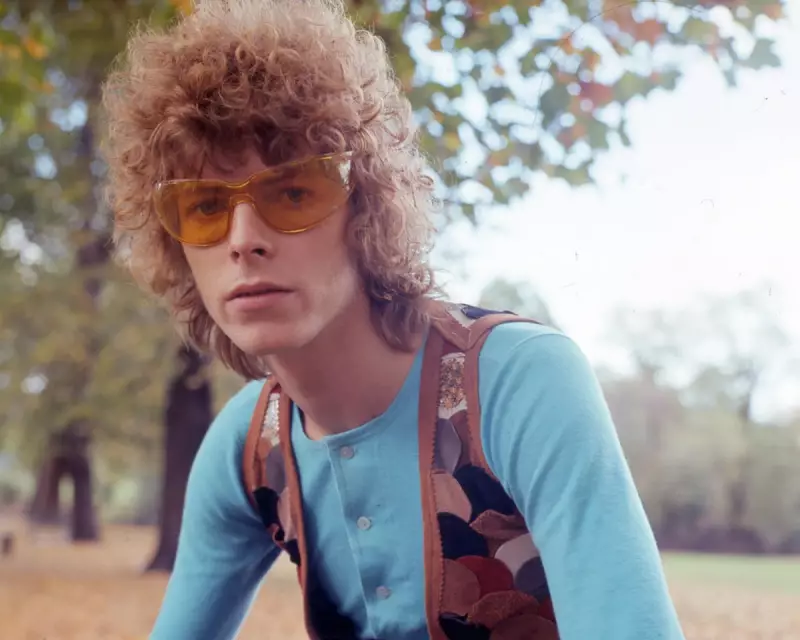
A decade after the world seemingly spun off its axis with his passing, David Bowie is experiencing a rapturous resurrection on screen. The feature-length documentary 'Bowie: The Final Act' premieres on Channel 4 on Saturday 3 January at 10pm, marking ten years since the rock icon's death on 10 January 2016.
From Zenith to Ennui: Tracing a Stellar Journey
The film does not dwell solely in the catacombs of Bowie's final days. It opens at the height of his pop fame during the 1983 Serious Moonlight tour, where he transformed into an MTV-approved American soul hero. This period of immense, Pepsi-advert stardom is presented as the onset of a career-stalling ennui, where his unique artistic voice began to dry up under the very spotlight he craved.
From there, it ricochets back to his beginnings, pinballing viewers through the seismic highlights of a mythology he built. Contributors include key figures like producer Tony Visconti, musician Goldie, and novelist Hanif Kureishi. Kureishi offers a poignant insight, recalling how Bowie would form intense friendships to absorb what he needed from interesting people, before moving on—a reminder of the personal debris often left in the wake of creative genius.

The Lonely Genius and the Minor Notes
An unusual theme of the documentary is its focus on the minor notes of Bowie's career: the poorly received albums and crises of confidence. In one difficult scene, Melody Maker writer Jon Wilde reads his scabrous 1991 review of 'Tin Machine II', which concluded with the brutal line: "Sit down man: you're a fucking disgrace." Bowie reportedly cried upon reading it.
The film reassesses his less successful ventures, with Tin Machine—his attempt to be "just some bloke in a band"—still receiving criticism. Editor Dylan Jones calls it "a really bad band, with a really bad name." This exploration begs the question: why would an otherworldly rock god desire to blend in? The implied answer resonates throughout: genius is lonely.
The Final Gift: Dignity in the Face of Mortality
Leitmotifs of supernovae, black holes, and stars recur, underscoring the theme of mortality. The documentary shows heartbreaking footage of Bowie leaving a stage in Prague in pain as his illness took hold. After a decade away from the limelight, enjoying family life, he returned to the studio post-chemotherapy.
With full knowledge of his prognosis, he created his final, profoundly vulnerable album, 'Blackstar,' which was released just two days before his death. The film positions this act alongside those of Warren Zevon and Leonard Cohen as a courageous final gift from a songwriter—a blend of dignity, prophecy, and impeccable theatre.
Directed by Jonathan Stiasny, the documentary is no hagiography, yet it's clear he revels in the Bowie myth. It offers nostalgic bliss through images of Ziggy Stardust, tales of 60s London and 70s New York, and an incredible clip from a 1999 Newsnight interview where Bowie predicted the chaotic, internet-mediated world of today. It leaves viewers wondering what he would make of our current age, and heartbrokenly missing the beacon for misfits and champion of fearless creativity that he was.