Crystal Pite on the Power of Dance and Her Seminal Productions
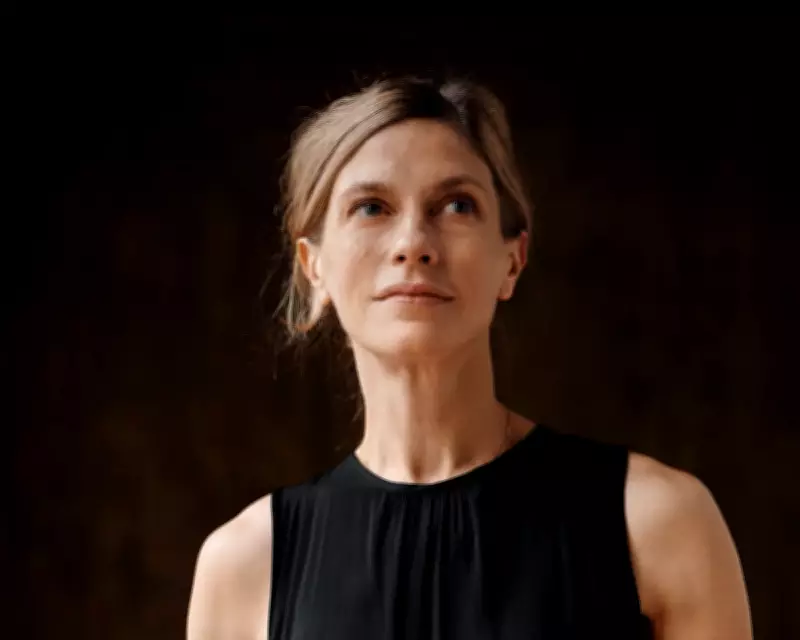
Few choreographers today command as much respect and demand as the multi-award-winning Crystal Pite. The Canadian dance director has built a dazzling body of work that delves into human relationships and the pressing questions of our era. In an exclusive interview, she reflects on pivotal moments in her career, from founding her company Kidd Pivot to creating visually stunning pieces for major ballet institutions.
Humanity at the Core of Choreography
Pite's work is distinguished by its profound humanity. Her supple choreography never reduces dancers to mere bodies in motion; instead, it brilliantly illuminates relationships and emotional complexities. She fearlessly tackles contemporary issues, such as refugee crises in Flight Pattern, the climate emergency in Figures in Extinction, and political power struggles in The Statement, often incorporating text in innovative ways.
In contrast to her intimate duets, Pite has also developed a strand of work featuring massed ranks of dancers moving in unison to create awe-inspiring effects. These diverse elements converge in her piece Body & Soul (Part 1), set to be performed by English National Ballet at London's Sadler's Wells and Plymouth's Theatre Royal this spring.

Landmark Works and Creative Insights
Emergence (National Ballet of Canada, 2009): Pite describes this as her first invitation to create for a major ballet company, feeling like she entered "a different planet." She notes the thrilling yet chilling quality of seeing a large group aligned in their task, which can evoke both beauty and danger, mirroring natural synchrony.
Lost Action (Kidd Pivot, 2006): Created while she was still dancing, this work explores dance's ephemerality. Pite emphasizes that dance's impermanence, with no lasting artefacts, is what gives it its unique power and resonance.
Betroffenheit (Kidd Pivot, 2015): Co-created with Jonathon Young, this piece addresses the shock and impact of traumatic events, where language fails. Inspired by Young's personal loss, it expands into universal questions of human suffering, offering a powerful theatrical experience.
Flight Pattern (Royal Ballet, 2017): While not overtly about the Syrian refugee crisis, this work grapples with broader themes of borders and displacement. Pite approaches such enormous questions with curiosity and love, finding creativity in the stretch beyond comfort zones.
Figures in Extinction (Nederlands Dans Theater/Complicité, 2022): A collaboration with Simon McBurney, this production confronts the climate crisis. Pite aimed to create elegies for extinct flora and fauna, with dancers embodying both the creatures and the human emotion surrounding their loss.
Body & Soul (Paris Opera Ballet, 2022): This work explores how the meaning of text shifts based on its embodiment, from intimate scenes to large-scale conflicts. Pite's interest lies in the dynamic interplay between voiceover and movement.
The Joy and Dread of Creation
Pite admits that approaching a studio with 36 dancers waiting can fill her with dread, but the face-to-face interaction quickly transforms into exhilaration and hope. She praises dancers as incredible individuals, highlighting the relational beauty of collaborative work. Her journey underscores dance's ability to address global challenges while celebrating human connection.