Three rediscovered crime classics offer readers a journey into the Golden Age of detective fiction and psychological suspense. Each book brings unique storytelling from renowned authors of the genre.
The Double Turn by Carol Carnac
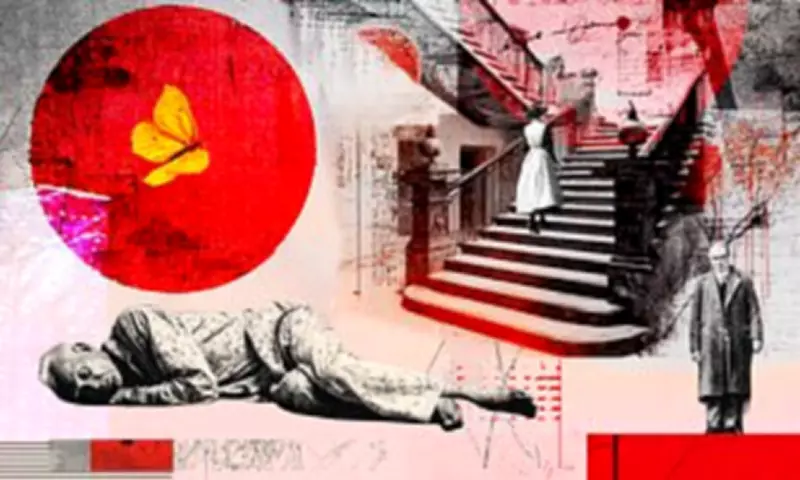
An elderly, once-famous artist named Adrian Delafield lives in bedridden isolation, cared for by a tyrannical housekeeper. The scene is set for tragedy, revealed by a doctor on a routine visit. He finds the housekeeper dead, while Delafield, barely conscious, has collapsed outside his room. Inspector Rivers delves into a family history that shows Delafield to be a skinflint hoarding wealth from his glory days. But what about the obsessive housekeeper? As an artfully contrived plot unfolds, Rivers closes in on those with a vested interest in hiding the truth. Carnac, better known as E. C. R. Lorac, is one of the star crime writers of the inter-war years. Her rediscovery is a triumph.
Golden Age Detective Stories Edited by Otto Penzler
The rediscovery of gems from the Golden Age of crime fiction continues with this splendid collection of short stories gleaned from American magazine archives. With many contributors new to most British readers, there is much that is original and satisfying. Among the amateur sleuths is Hildegarde Withers, an eccentric spinster who sports outrageous hats. The anthology includes two easily recognisable names: Erle Stanley Gardner has Perry Mason winning yet another court case, while Ellery Queen demonstrates the science of detection to students intent on beating him at his own game.

Letter To My Judge by Georges Simenon
‘Each man kills the thing he loves,’ wrote Oscar Wilde, drawing on a theme that may have inspired Simenon to write this haunting novel. A middle-aged doctor with a doting family is on trial for murdering his mistress. Dr Alavoine’s letter is his attempt to explain how he came to fall hopelessly in love with a vulnerable woman while trying to justify the tragic consequences. Alavoine, a passionate man, has no passion in his ordinary life. Satisfying his needs outside the constraints of a bourgeois family puts him increasingly at risk. When a woman he meets becomes so much part of his life that he takes her on as an assistant, his wife chooses to ignore their intimacy. After the inevitable break, Alavoine’s remorse spills over into violence. This book sees Simenon reaching into the deepest recesses of the soul.