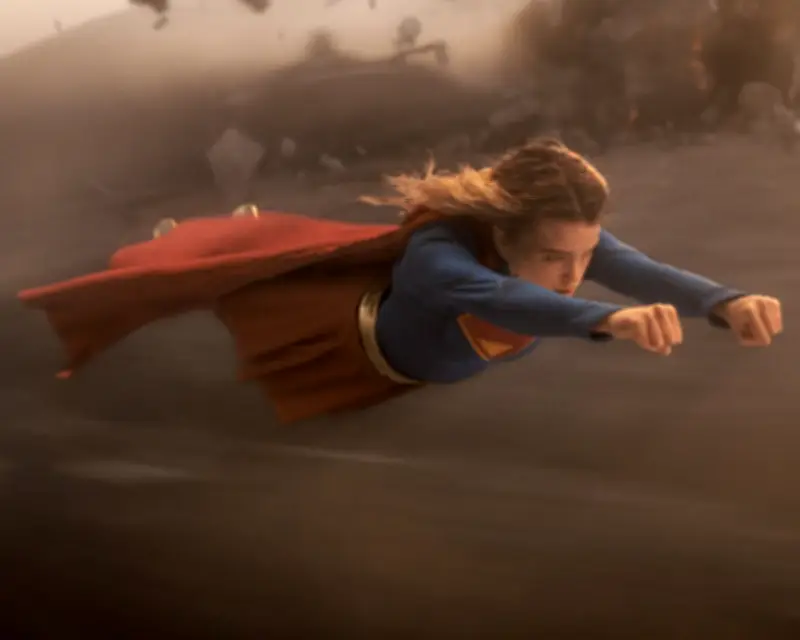
Supergirl's box office performance has been nothing short of catastrophic. The DC Studios film, starring Milly Alcock as Kara Zor-El, opened to just $38 million in North America and approximately $68 million worldwide last weekend. These figures are grim for a movie reportedly costing around $170 million before marketing spend. The film's failure has been seen as a crisis for James Gunn's new DC Universe, just two films in, but it may also expose a broader problem affecting the entire superhero genre.
The Decline of Minor Characters
Since 2008's Iron Man, audiences have become accustomed to superhero cinema as one giant, interlocking machine. Capes, gods, aliens, and magic rocks all rattled around the same cosmic pinball table. Films built around once little-known characters like Rocket Raccoon, Ant-Man, and Blue Beetle were lapped up like an all-you-can-eat superhero buffet. However, the well seems to be running dry. Supergirl's failure highlights the difficulty of getting audiences to invest in minor characters when the promise of a major team-up no longer feels guaranteed.
According to Ben Child, writing for The Guardian, "Cinematic universes rely on audiences investing in minor characters – but as that interest wanes, it may be up to the big guns to keep the genre afloat." The Marvel Cinematic Universe trained audiences to believe minor characters mattered because they were stepping stones to something colossal, like the Avengers movies. But when a film like Supergirl fails to pick up momentum, the problem becomes apparent. The same can be said for Marvel's Eternals, Sony's live-action Spider-Verse films like Madame Web, or DC's The Flash.

Impact on DC and Marvel
Supergirl's poor performance puts pressure on DC to pivot towards better-known superheroes. Andy Muschietti, director of the It films, has been tapped to helm a Batman: The Brave and the Bold movie that will exist within the main continuity. There will also be increased pressure on projects like the forthcoming superhero-horror hybrid Clayface, though it isn't burdened with a large budget or any real requirement to feed into wider matters. The future of DC may now simply be Superman and Batman movies, with occasional cheaper "Elseworlds" offshoots, while everyone waits for someone else to rebuild confidence.
This is hardly the start that Gunn and his studio co-head Peter Safran would have wanted. Safran has said that nothing has changed post-Supergirl, but Warner Bros may see things differently if Supergirl is on course to lose $100 million. Meanwhile, the bigger headache could belong to Marvel. Sony has already ruined any chance for characters like Kraven the Hunter, Morbius, or Madame Web to enter Spider-Man's MCU world. If audiences switch off when superheroes other than the obvious big names get their own titles, it could affect the climactic team-up movies that have made the studio billions. Will anyone care if Shang-Chi steps up to strangle Doctor Doom in Secret Wars if his last solo movie came out six years ago?
The Future of the Genre
There are already noticeably fewer comic book films in cinemas than just a few years ago. Former Disney CEO Bob Iger has indicated that the constant flurry of Disney+ spin-offs will also be reined in. The reduced quality of superhero movies generally will eventually damage the entire rickety machine. Naysayers will no doubt rejoice, but it will be a sad irony if the very thing that made such films inspiring—the ability to see Spider-Man exchanging badinage with Iron Man and Thor in the middle of some vast, multiversal punch-up—ends up dooming the superhero cinematic universe era altogether.