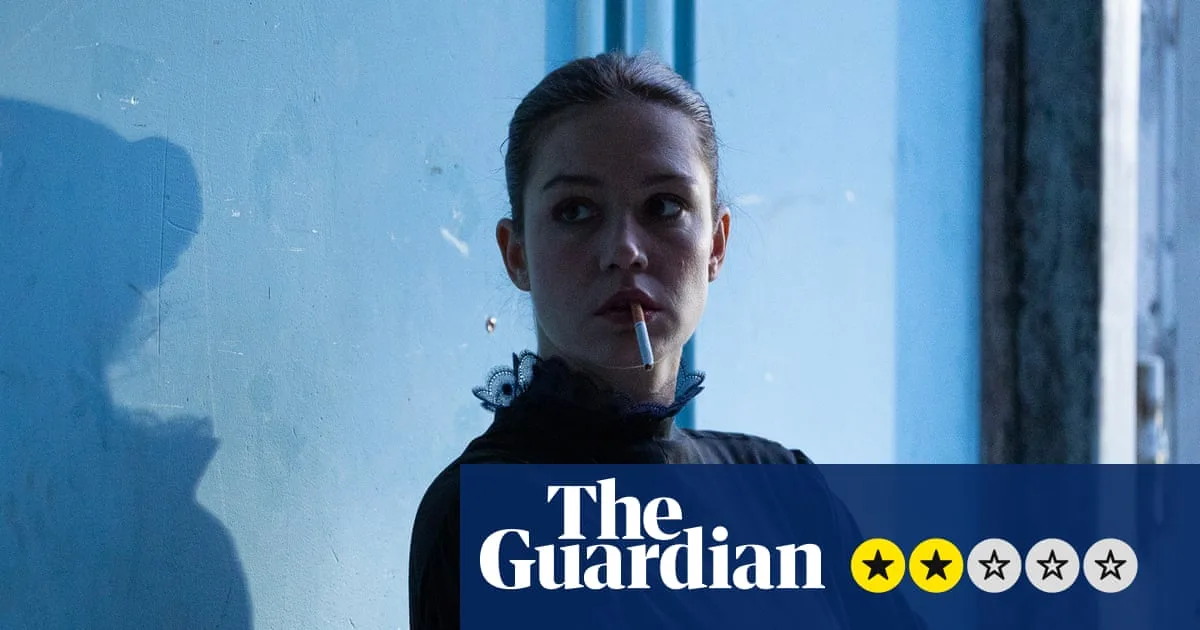
Adèle Exarchopoulos delivers a strong performance in Jeanne Herry's 'Garance,' but the film itself is a glib and unsatisfying portrait of alcohol addiction. The star, who made Cannes history with her Palme d'Or win for 'Blue Is the Warmest Colour,' plays an actor struggling with a drinking problem. While scenes of her performing in a touring theatre company are genuinely great, the overall drama feels thin and implausible.
Exarchopoulos plays Garance, a young actor in a prestigious Paris repertory company who is relegated to a touring schools troupe. Her undoubted talents are compromised by heavy nightly partying and morning hangovers. She is eventually fired from the theatre troupe in a collective sacking that resembles an intervention. A new relationship with set designer Pauline (Sara Giraudeau) also suffers under the strain of her drinking, leading to anxiety and depression.
The film's flaws become apparent when Garance is forced to confront her alcoholism. A doctor expresses astonishment at how healthy she looks for a daily heavy drinker, and the character quits alcohol without attending AA or showing significant struggle. This portrayal is criticised as superficial, essentially depicting a 'dry drunk' who goes it alone without grappling with the real difficulties of recovery.

Additional plot points, such as her pregnant sister's contrived cancer diagnosis, feel like artificial devices to drive Garance's growth. The film fails to offer a credible depiction of addiction, relying instead on Exarchopoulos's charisma to carry a fundamentally weak script.