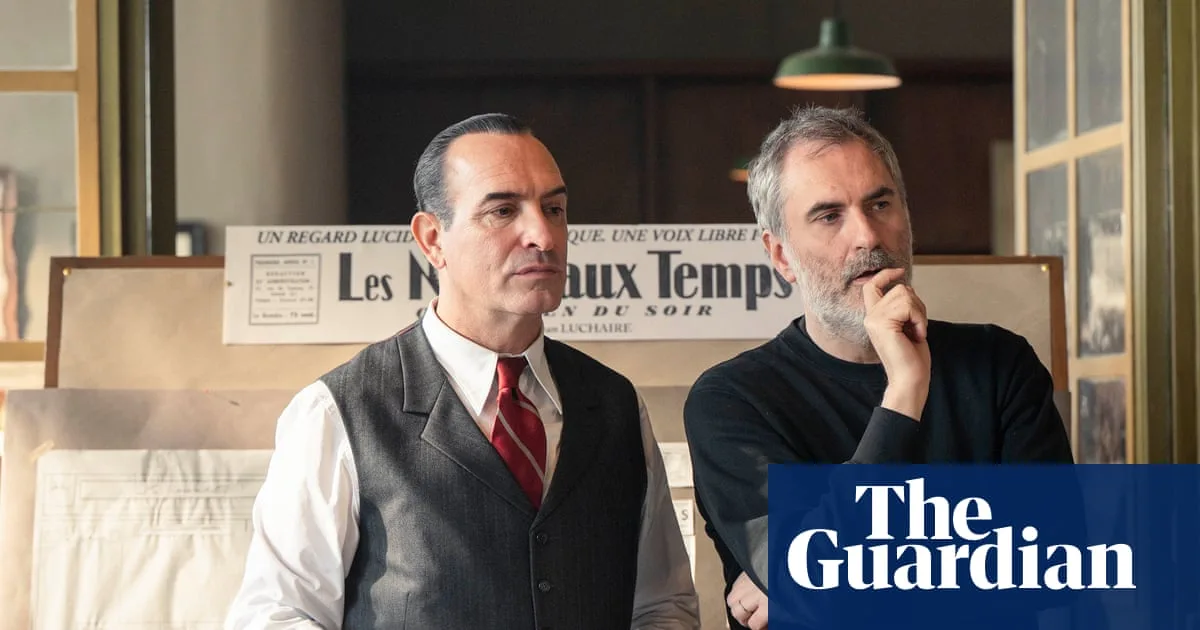
Director Xavier Giannoli has strongly denied accusations that his box office hit 'Les Rayons et les Ombres' whitewashes the actions of Nazi collaborators during the Occupation of France. The film, which has drawn over 800,000 viewers since its mid-March release, tells the story of press baron Jean Luchaire, who was executed for treason in 1946 for his role as a Nazi collaborator and Vichy propaganda commissioner.
Critics, including historian Bénédicte Vergez-Chaignon, have attacked the film for downplaying the resistance and the fate of Parisian Jews, and for encouraging empathy with Luchaire and his daughter Corinne. Writing in Le Monde, Vergez-Chaignon accused the film of 'distortion of time and events' and taking 'licences' with historical truth. Libération critic Luc Chessel called it 'a masterclass in historical gaslighting'.
Giannoli rejected the claims as 'profoundly dishonest', insisting he worked closely with historians on the screenplay. 'My point of view is to tell the story of a collaborator in his world. The disgusting obscenity of people who were [partying] under the chandeliers eating caviar and petit fours during the Occupation,' he told the programme Quotidien. He also suggested the attacks were politically motivated, influenced by the rise of the National Rally party.

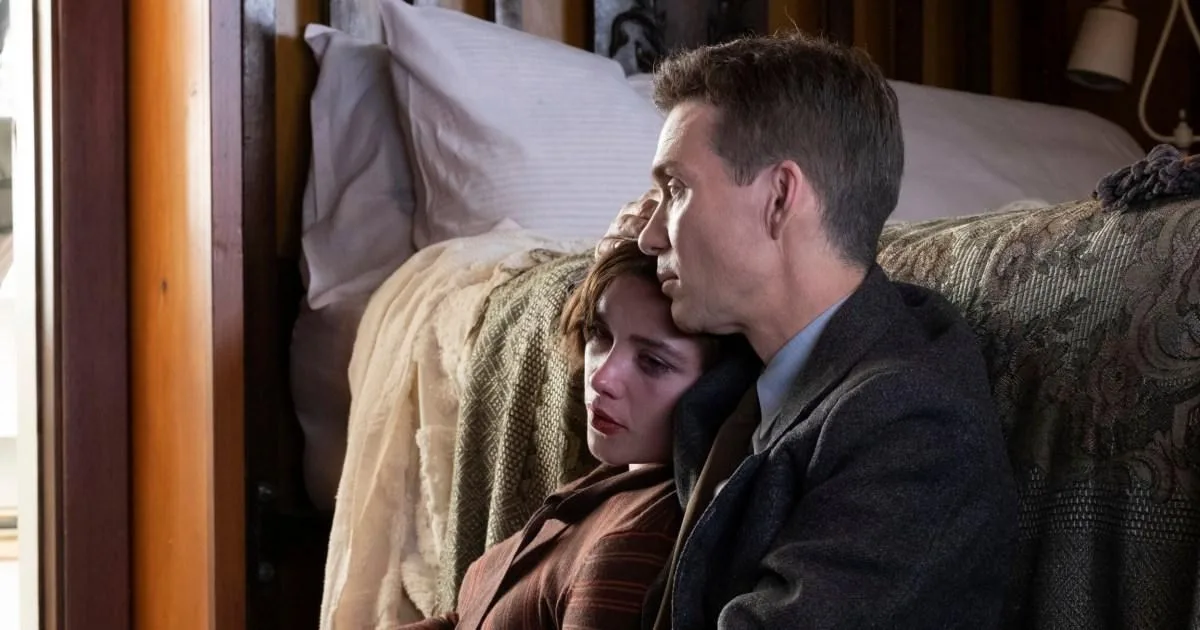
The film is narrated from the perspective of Luchaire's daughter Corinne, played by Nastya Golubeva, who was also a collaborator and was jailed after the war. Despite its three-hour runtime, the movie has been a surprising success. Giannoli defended his choices, stating, 'A screenplay is not a historical thesis. It’s not a documentary.'