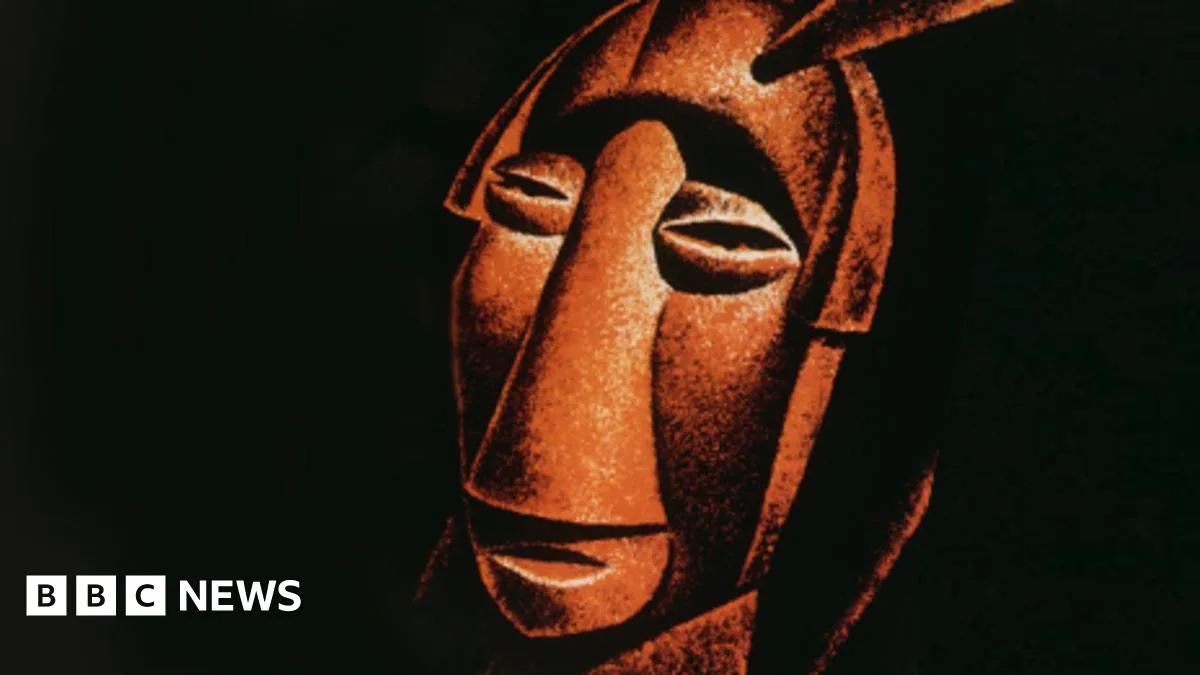
A trove of modern art discovered in a Munich flat has reignited interest in the Nazi campaign against so-called 'degenerate' art. In 1937, the regime staged two contrasting exhibitions in the city: one glorifying idealised Aryan imagery, the other ridiculing abstract and expressionist works.
The Degenerate Art Exhibition featured pieces by renowned artists such as Paul Klee, Wassily Kandinsky, and Emil Nolde. The show was deliberately arranged to provoke disgust, with paintings hung crookedly and walls defaced with graffiti. A handbook declared the aim was to expose the 'corruption' behind modern art.
Hitler, a failed artist who favoured realistic landscapes, saw the exhibition as revenge against the art establishment that had rejected his own work. He proclaimed that art requiring explanation would never again reach the German people. The Nazis falsely claimed the movement was a Jewish-Bolshevik plot, though only six of the 112 exhibited artists were Jewish.

The exhibition attracted over a million visitors—three times more than the official Great German Art Exhibition. Some came to see the art before it disappeared, while others endorsed Nazi views. After touring Germany, many works were burned, and artists faced persecution. Yet for some, the stigma of being banned later enhanced their reputations.