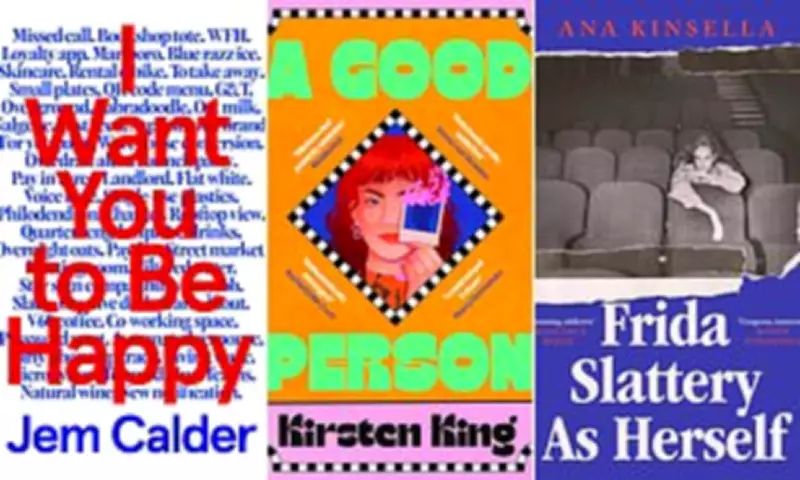
I Want You to Be Happy by Jem Calder (Faber £14.99, 272pp)
Chuck is 35 years old when he meets 23-year-old Joey in a bar. Despite their 12-year age gap and Joey’s friends laughing openly about how old Chuck is compared to them, the connection between the two is immediate. Both protagonists are slightly awkward people, prone to overthinking, and Chuck is only three months out of a devastating break-up with a fiancée he was with for 12 years. Copywriter Chuck once wanted to be a novelist; Joey is a barista but dreams of being a poet.
This portrait of an age-gap relationship between two people, each struggling in their own way, is brilliant on loneliness, isolation, addiction and obsession. Chuck promises Joey the world but, because he is chaotic, unstable and often unkind, is unable to deliver and she spirals emotionally as he strings her along. Compelling.
A Good Person by Kirsten King (Fleet £18.99, 304pp)
Lillian has been dating Henry for four months and she likes him a lot more than he likes her. She puts up with less-than-ideal behaviour from him, believing this friends-with-benefits-style arrangement will turn into lasting romance. Readers won’t be surprised when Henry dumps Lillian, but she is blindsided. Devastated, she gets drunk with her best friend Jamie and they watch an online instruction manual on how to curse someone. Lillian puts a curse on Henry and imagines that it will give her closure.

The next day Henry is murdered and, because she’d sent him a message telling him he was going to get what he deserved, Lillian is drawn into the investigation. It’s different, hilarious and addictive, and although Lillian is often mean, I rooted for her from the start. Brilliant.
Frida Slattery as Herself by Ana Kinsella (Scribner £16.99, 496pp)
It’s 2006 in Dublin and Frida is trying to forge a career as an actress. When a friend puts her in touch with John, a writer and director, Frida is immediately impressed. John writes a role for Frida, resulting in Bird, a semi-autobiographical play about the breakdown of his parents’ marriage. The production is well received and they go on to work together again. Despite clearly desiring each other, neither makes a move, believing that an absence of sex will help them move closer to the serious artistic lives they are trying to create.
The narrative follows Frida and John through success and disappointment, from love to despair, as the simmering romantic connection between them ebbs and flows. I raced through it.