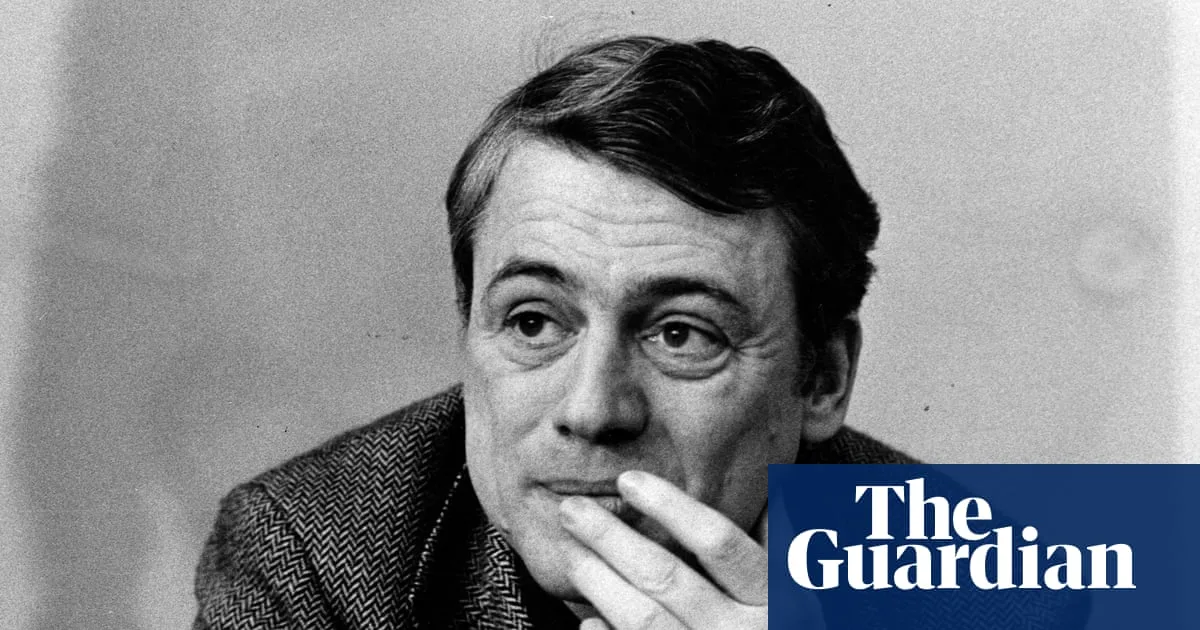
Alexander Kluge, the German film-maker and author who helped shape the New German Cinema movement, has died at the age of 94, his publisher confirmed. Kluge, who won the Golden Lion at the Venice Film Festival in 1968, was known for his intellectually challenging cinematic collages and prolific short fiction.
A former assistant to Fritz Lang, Kluge was a key figure in the Oberhausen Manifesto of 1962, which called for a break from traditional German cinema. His debut feature, Abschied von Gestern (Yesterday Girl), won the Silver Lion in Venice in 1966, and he secured the Golden Lion two years later with Artists in the Big Top: Perplexed.
Born in Halberstadt in 1932, Kluge survived the Allied bombing of his city in 1945. He later studied law, history and church music at Frankfurt University under Theodor Adorno. After a brief legal career, he turned to film and literature, becoming a leading voice in the Frankfurt School of neo-Marxist criticism alongside Jürgen Habermas.

Kluge was a committed pacifist, shaped by his wartime experiences. In 2022, he sparked controversy by stating he was happy to see US troops enter his hometown in 1945, arguing that “capitulation” can be justified if it ends war. He continued producing television programmes through his company DCTP until his later years.
In 2018, Kluge collaborated with US author Ben Lerner on The Snows of Venice, describing himself as “a good archaeologist” of raw ideas. He is survived by his work, which remains a touchstone of experimental German cinema.