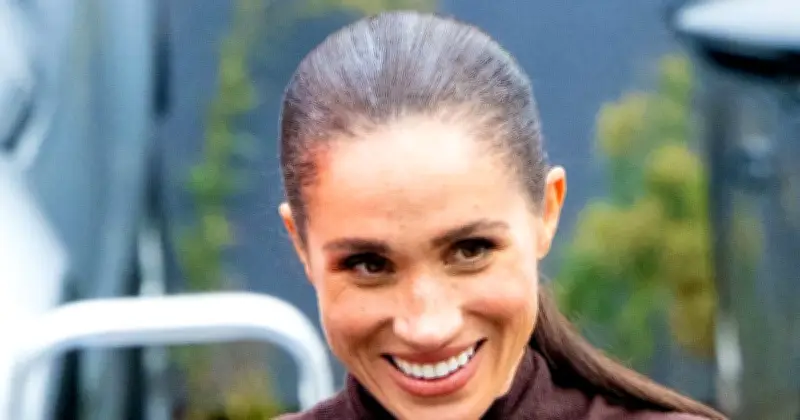
The Duchess of Sussex has been named host of the upcoming series of Junior MasterChef Australia, weeks after a public appearance in Nottingham that resembled an official royal engagement. The two events highlight the approach she and Prince Harry have taken since returning to Britain in August, seeking both the prestige of royalty and the profits of celebrity.
The Nottingham visit earlier this month included a traditional walkabout, a media pool and meetings with local community leaders. The MasterChef role sits alongside promotion of Meghan's Californian lifestyle brand As Ever and reports of a return to acting, none of which she could have pursued as a working royal.
A Deliberate Clash with Buckingham Palace
The couple's scheduling appears deliberately at odds with Buckingham Palace, following King Charles's clarification that they are "private citizens," a description they were reportedly unhappy with. Harry's GQ interview coincided with the Sultan of Oman's state visit to Windsor Castle last week, while the Nottingham trip took place on the day Charles opened the Welsh Parliament.
Since moving back across the Atlantic, ostensibly to be closer to the Royal Family, they have fought a public dispute with the Palace, been caught up in the furore over Earl Spencer's book on Princess Diana and weathered security scares involving their children.
Blurring Public Service and Private Profit
A source told Hello! that the duchess will not hesitate to "stick her head above the parapet" on issues she cares about, clearly emulating the role of a working royal. Defenders will say the Sussexes are no longer working members of the Royal Family and are free to do as they please, which is true.
Queen Elizabeth II's ban on a "half in, half out" approach, also forbidden by King Charles, existed because the royal name carries commercial value that is hard to separate from royal duty. Borrowing the glow of the Crown to endorse charitable causes and then cashing in on the same attention with brand deals and TV contracts blurs the line between public service and private profit, which the ban was intended to prevent.