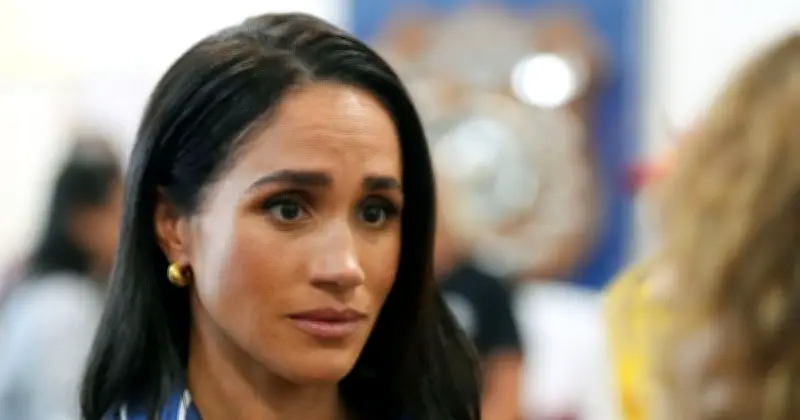
Meghan Markle's decision to co-host Australia's Junior MasterChef has reignited debate about the Sussexes' approach to royal life, with a columnist arguing it starkly contrasts with the Princess of Wales's model of duty.
Commercial Visibility vs. Royal Service
Writing for the Daily Express, Emily Wright contends the TV role reveals a focus on commercial visibility, celebrity brand-building and financial gain, rather than the high-minded philanthropy and female empowerment the couple had previously signalled. The columnist argues this undercuts any notion of a dignified royal comeback.
Wright also revisits the late Queen's decision to reject the Sussexes' half-in, half-out arrangement at the Sandringham summit, suggesting royal service cannot be selectively combined with commercial entertainment careers.
Kate's Non-Commercial Model
In contrast, the article highlights Catherine, Princess of Wales's annual Together at Christmas carol service at Westminster Abbey. The columnist notes the event is deeply personalised, with Catherine shaping the tone, selecting performers, and incorporating her own piano performances, yet no tickets are sold and no money enters her pocket.
Around 1,600 guests attend, comprising community heroes, grassroots volunteers, carers, and frontline workers nominated through royal patronages and community networks, rather than industry executives or celebrities.
A Clear Contrast in Priorities
The columnist concludes the contrast is stark: Catherine channels soft power into quiet, steadfast duty, while Meghan leverages her royal title for commercial entertainment deals. The piece argues the palace should not allow royal identity to be blurred by commercial ventures, asserting that the spotlight, not the Firm, was always Meghan's focus.