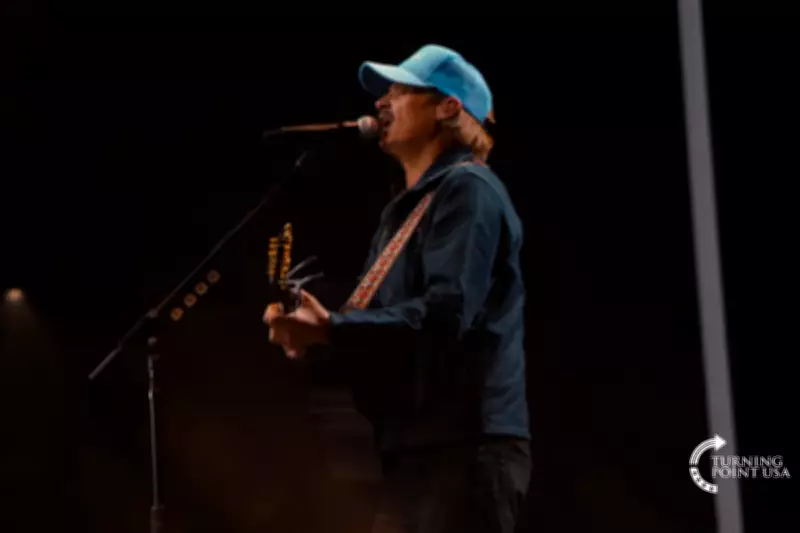
Kid Rock has come under intense scrutiny and faced widespread criticism after being accused of lip-syncing during his performance at the Turning Point USA "All American Halftime Show." The event was broadcast concurrently with Bad Bunny's official Super Bowl halftime show, creating a direct cultural and political contrast that has dominated discussions.
Social Media Mockery and Performance Analysis
Social media platforms erupted with mockery as users shared clips highlighting apparent discrepancies in Rock's performance of his hit song "Bawitdaba." Viewers pointed out specific moments where his microphone was visibly lowered or his mouth movements did not align with the pre-recorded audio track. These observations fueled accusations that the artist was miming rather than delivering a live vocal performance, undermining the authenticity of the show.
Conservative Alternative to Mainstream Entertainment
The halftime show was organised by Turning Point USA, a conservative group, as an explicit alternative to the Super Bowl's main event. This move followed vocal objections from some conservative circles regarding the selection of Bad Bunny, whose performance was perceived as not aligning with patriotic or traditional American values. Kid Rock publicly stated that the show aimed to provide entertainment for conservative Americans who feel marginalised or unrepresented in mainstream media and popular culture.

Audience Reception and Comparative Viewership
Despite its targeted appeal, the Turning Point USA halftime show attracted significantly fewer viewers compared to Bad Bunny's Super Bowl performance. Initial ratings and streaming data indicate a vast disparity in audience numbers, with the mainstream Super Bowl event drawing a massive global audience. Furthermore, a YouGov America survey conducted after the events revealed that a majority of Americans expressed a preference for Bad Bunny's show over the conservative alternative, highlighting broader public sentiment.
The controversy has sparked debates about performance integrity, political messaging in entertainment, and the cultural divides in contemporary America. As discussions continue, the incident underscores the challenges of creating alternative cultural events that resonate widely while maintaining artistic credibility.