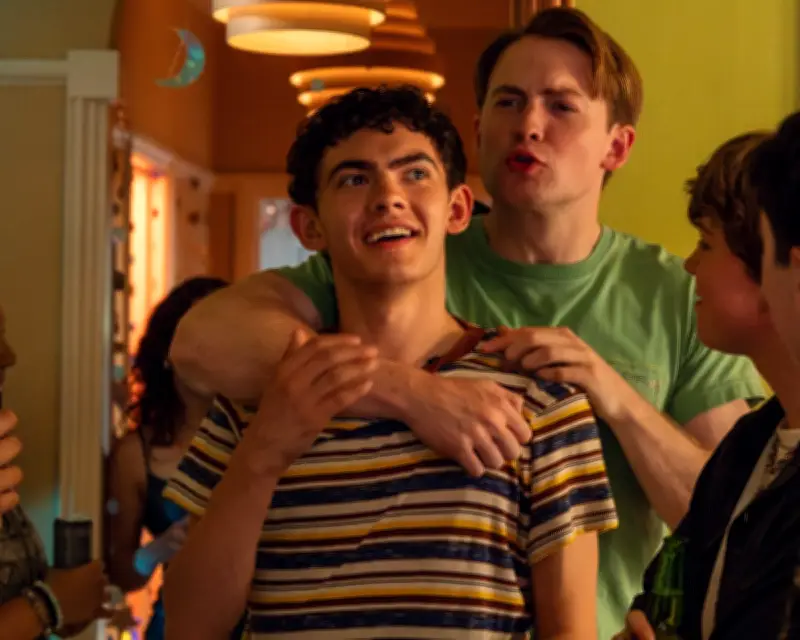
The end of Heartstopper, with its six books, three television seasons and a film-length finale, marks a bittersweet loss. Often dubbed the most wholesome show on TV, Netflix's adaptation of Alice Oseman's young adult LGBTQ+ graphic novel series has become a cultural phenomenon, turning leads Kit Connor and Joe Locke into household names and racking up tens of millions of views. In print, the series has sold over 10 million copies worldwide, including about 1.3 million in the UK alone.
Impact on Young Queer People
At a queer and feminist bookshop in Sheffield, young people are drawn to copies of Oseman's books and often take pictures of the permanent window display depicting Nick and Charlie. The author observed similar enthusiasm in 2023 when speaking to an LGBTQ+ group at a secondary school in London; students wanted to discuss Heartstopper above all else. For older queer people, the show premiering in 2022 brought joy mixed with grief that such representation didn't exist during their own adolescence under Section 28.
Political Edge Amid Sweetness
Despite its syrupy reputation, Heartstopper maintained a political edge. The third season highlighted media bait-and-switch tactics after trans character Elle is invited to discuss her art only to face a toxic debate about transgender identities. In the film conclusion, Elle brings up the ban on hormone blockers for young trans people and the rollback of trans rights in the UK. 'If I was a few years younger,' she says, 'I wouldn't even have been able to take hormone blockers legally.' The show also touched on mental health issues, self-harm and disordered eating.
Criticism and Significance
Some critics have called the show sanitised, but Oseman said in a recent interview: 'It was always my intention with Heartstopper to find the middle line, the balancing point, between showing these issues in a realistic way while also keeping that tone of, like, “It’s going to be OK and things will work out.”' A 2024 study by The Trevor Project highlighted that the majority of LGBTQ+ young people reported symptoms of depression, anxiety or self-harm. According to Glaad's annual study, LGBTQ+ representation in film has declined over the last three years, with a similar trend in TV since 2021.
Hope for the Future
As the story concludes, the need for joyful queer stories remains. Oseman has suggested she would like to write for adults next, while Locke and Connor are headed to Hollywood. The loss of such hope and reassurance for young queer people would be a profound shame.