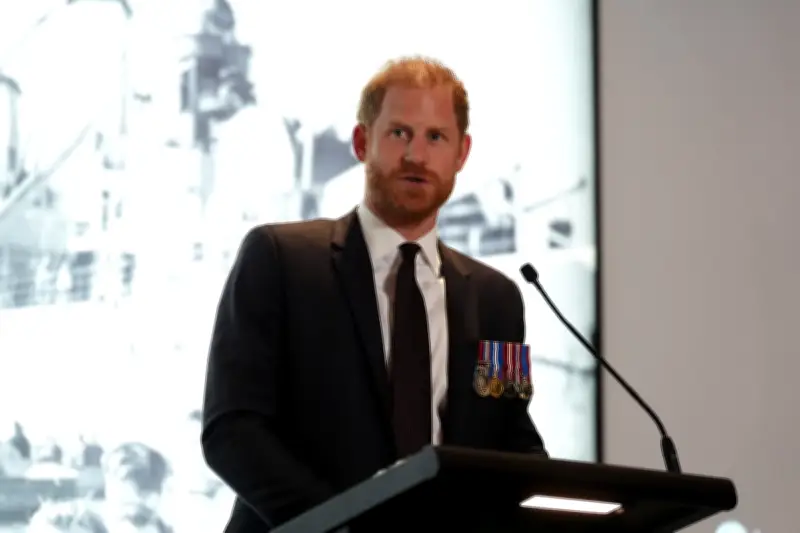
The Duke of Sussex, Sir Elton John, and Baroness Doreen Lawrence have had their claims against the Daily Mail's publisher dismissed by a High Court judge. The group of seven household names alleged unlawful information gathering, including voicemail interception, landline tapping, and obtaining information by deception, known as “blagging,” carried out by private investigators, freelance journalists, and staff at Associated Newspapers Limited (ANL).
Judge's Ruling
In a 436-page ruling, Mr Justice Nicklin said that none of the claimants had proven the allegations of unlawful information gathering. He stated, “For the reasons given in this judgment, each of the claimants’ claims is dismissed.” ANL had strongly denied the claims and argued that the cases were brought too late.
Prince Harry's Return to the UK
The decision came as Prince Harry returned to the UK on Monday evening for a five-day visit, including marking the one-year countdown to the 2027 Invictus Games. His spokesman expressed disappointment that an offer from the King to stay at Buckingham Palace was withdrawn at the last moment, citing the looming judgment as the reason. Harry is said to have acted in good faith and spent most of last week making alternative arrangements before formally accepting the offer for a single night.
Trial Details
Dozens of people gave evidence during the 11-week trial in London, including Harry, Liz Hurley, Sadie Frost, and Sir Simon Hughes, as well as many current or former ANL journalists and executives. During cross-examination in January, Harry said he could not complain about some of the 14 articles in his case at the time “because of the institution I was in.” He also claimed in written evidence that “knowingly false” information was added to stories to conceal unlawful methods.
Defence by Associated Newspapers
ANL argued that Daily Mail and Mail on Sunday journalists provided a “compelling account of a pattern of legitimate sourcing of articles,” including friends, “leaky” social circles, press officers, spokespersons, previous reporting, freelance journalists, and stories from other newspapers and news agencies. The trial also considered whether the cases were brought within the six-year legal timeframe for unlawful information-gathering claims.