Research Reveals Bot-Driven Attack Behind Chappell Roan Security Guard Controversy
Bots Fueled Chappell Roan Security Guard Controversy, Study Finds (29.03.2026)

Research Exposes Bot-Driven Campaign Targeting Chappell Roan Over Security Incident

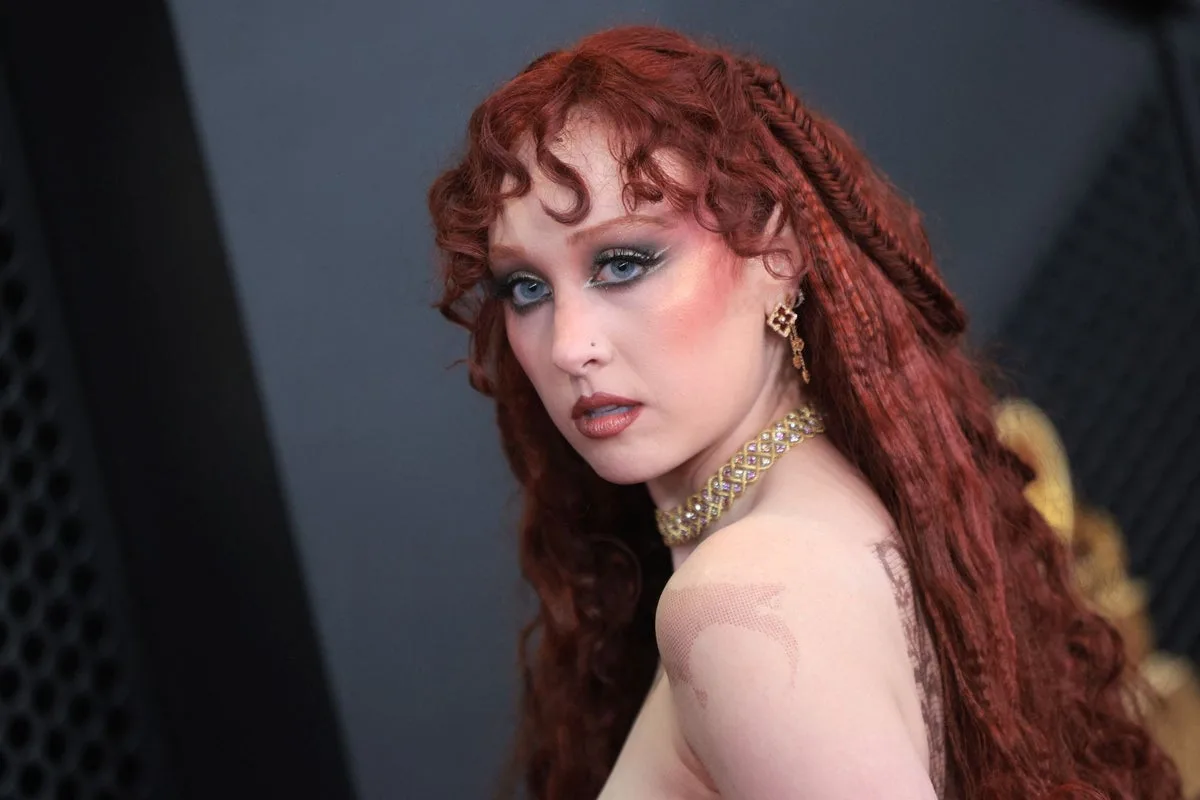
New research has uncovered that the intense online backlash against pop star Chappell Roan, following accusations involving a security guard and Jude Law's 11-year-old daughter, was significantly amplified by coordinated bot activity. The 28-year-old singer faced widespread personal attacks and calls for boycotts after Brazilian soccer star Jorginho alleged that a bodyguard berated his wife, singer Catherine Harding, and her 11-year-old daughter from her previous relationship with actor Jude Law.

Bot Activity Analysis Reveals Coordinated Attack Patterns

According to a comprehensive report shared with The Independent by AI-driven behavioral intelligence platform Gudea, analysis of 100,030 posts from 54,334 unique users across seven platforms between March 20 and March 22 revealed that 4.21 percent of the activity originated from "non-typical" users. These accounts were classified as outliers, influencers, facilitators, or hybrid types based on their posting patterns and engagement behaviors.

Gudea's research found that these non-typical users accounted for 23 percent of all posts about the incident, a remarkably high percentage indicating coordinated manipulation of the online conversation. The platform defines outliers as accounts engaging in unusual posting patterns, influencers as users with large followings who set trends, and facilitators as accounts posting with such regularity that their activity appears "almost automated."

Wide Pickt banner — collaborative shopping lists app for Telegram, phone mockup with grocery list

The Incident That Sparked the Controversy

The controversy began when Jorginho, the 34-year-old former Chelsea and Arsenal midfielder, shared a lengthy Instagram Story describing what he called a "very upsetting situation" at Lollapalooza Brasil, where Roan was headlining. Jorginho explained that his family was staying at the same hotel as the singer and that during breakfast, his stepdaughter spotted Roan at a nearby table.

"She got excited and wanted to make sure it was really her," Jorginho wrote. "And the worst part is she didn't even approach her. She simply walked past the singer's table, looked to confirm it was her, smiled, and went back to sit with her mom. She didn't say anything, didn't ask for anything."

Jorginho claimed that "a large security guard" then approached his wife and daughter and began "speaking in an extremely aggressive manner," leaving his daughter "in tears" and "extremely shaken." He concluded his post with a direct criticism of Roan, stating that "without your fans you would be nothing."

Roan's Response and Security Guard's Statement

Chappell Roan has since addressed the incident, denying that the security guard was part of her personal detail and insisting she was unaware of the confrontation. "I do not hate my fans," the "Pink Pony Club" singer stated, pushing back against the character attacks that have emerged online.

On Thursday, celebrity bodyguard Pascal Duvier came forward to take "full responsibility" for the incident. In an Instagram post, Duvier clarified: "I do not normally address online rumors, but the accusations currently circulating are false and constitute defamation. I take full responsibility for the interactions on March 21st."

Duvier explained that he was at the hotel "on behalf of another individual" and was not part of Roan's personal security team. "The actions I took were not on behalf of Chappell Roan, her personal security team, her management, or any other individuals," he wrote. "I made a judgment call based on information we obtained from the hotel, events I had witnessed in the days prior and the heightened overall security risk of our location."

Research Highlights Blurred Lines Between Criticism and Misinformation

The Gudea report noted that the online discourse surrounding the incident ranged from legitimate fan criticism and debates about celebrity privacy versus fan treatment to coordinated attack campaigns and considerable satirical content that blurred the line with misinformation. The research found that the incident prompted intense personal attacks on Chappell Roan, calls for boycotts, and significant misinformation spreading as fact.

Pickt after-article banner — collaborative shopping lists app with family illustration

The findings highlight how celebrity controversies in the digital age can be manipulated and amplified through coordinated online campaigns, raising questions about the authenticity of public discourse surrounding high-profile incidents. As social media platforms continue to grapple with bot activity and coordinated manipulation, this case serves as a stark example of how automated accounts can shape public perception and drive narratives around celebrity controversies.