Seventy-five years after the Festival of Britain heralded a modern nation emerging from postwar austerity, the BFI's new season Rip It Up explores how British film and television have captured youth culture across seven decades. Running from May to October nationwide, the season includes screenings, archive material, talks, live events and youth-led programming, tracing a journey from postwar rebellion to contemporary questions of identity and belonging.
From Billy Liar to Bend It Like Beckham: A Diverse Lineup
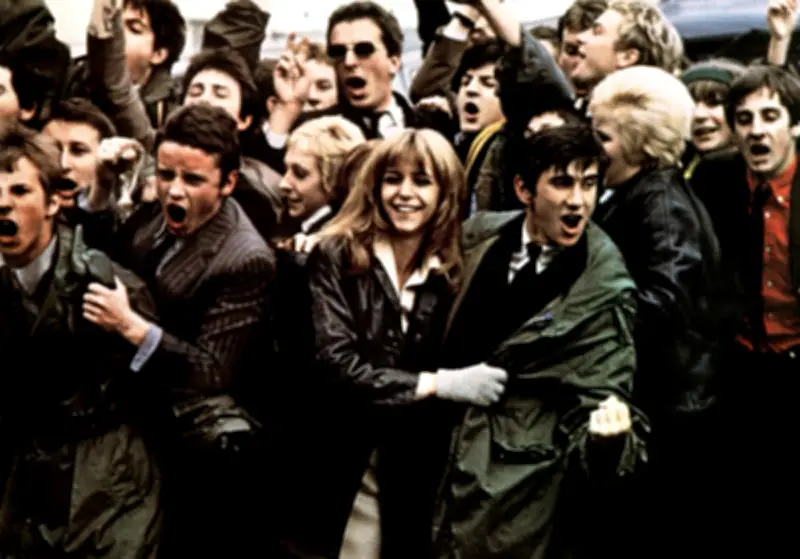
The season features classics such as John Schlesinger's Billy Liar, receiving a new 4K restoration, and Quadrophenia, which immortalises mods and rockers. Babylon channels Black British youth through reggae sound-system culture, while Human Traffic and Young Soul Rebels document nightlife and music scenes. Gurinder Chadha's Bend It Like Beckham, more than 20 years after release, continues to attract intergenerational audiences. Director Chadha notes: 'People focus on youth rebellion as a whole and youth expression, but there's so much nuance. It's not just one thing. It's lots of different things that you're continually negotiating.'
Youth-Led Programming Shapes the Season
Producer Timon Singh emphasised involving young people in shaping the programme. At BFI Southbank, programmers aged 19 to 29 developed a takeover event exploring trans youth culture, Black British fashion, female fandom, YouTube and digital identities. Singh said: 'I felt strongly that if you're doing something on UK youth culture, you get young programmers involved.' The conversations revealed concerns around environmental activism, LGBTQ+ experiences and online communities, reflecting a shift from single-scene subcultures to questions of identity and representation.
New Films Address Contemporary Realities
Imran Perretta's debut feature Ish follows two 12-year-old friends whose relationship is tested after a police stop-and-search encounter, exploring race, masculinity and adolescence. It sits alongside classics while speaking to current realities. Queen's Film Theatre in Belfast chose Lindsay Anderson's 1968 film If ..., a surreal boarding-school drama about student revolt. Programmer Neil Cadieux said: 'It often gets criticised for being a political film without a political point. But that's kind of what I love about it. The same kind of hierarchies are there; I think people respond to it on a personal level.'
Regional Perspectives and Welsh-Language Culture
Regional perspectives are central to Rip It Up. Filmmaker Gwenno Llwyd Till created an installation celebrating Welsh-language music culture, featuring records, posters and archive material from artists including Catatonia, Super Furry Animals and Gorky's Zygotic Mynci. Llwyd Till said: 'The most important thing was having my language represented in an institution like the BFI.' The season also includes archive material, talks, and live events across the UK.
Reinvention Across Generations
The season avoids treating youth culture as a nostalgic procession of famous subcultures. Instead, it highlights how ideas of rebellion resonate across different places and generations. From Billy Liar's postwar dreams to the energy of Quadrophenia and Human Traffic, and contemporary experiences in Rocks and Ish, Rip It Up suggests that every generation finds its own way of making noise. Cinema continues to provide a record of how those voices have shaped Britain. The BFI's Rip It Up season is screening across the UK until October.