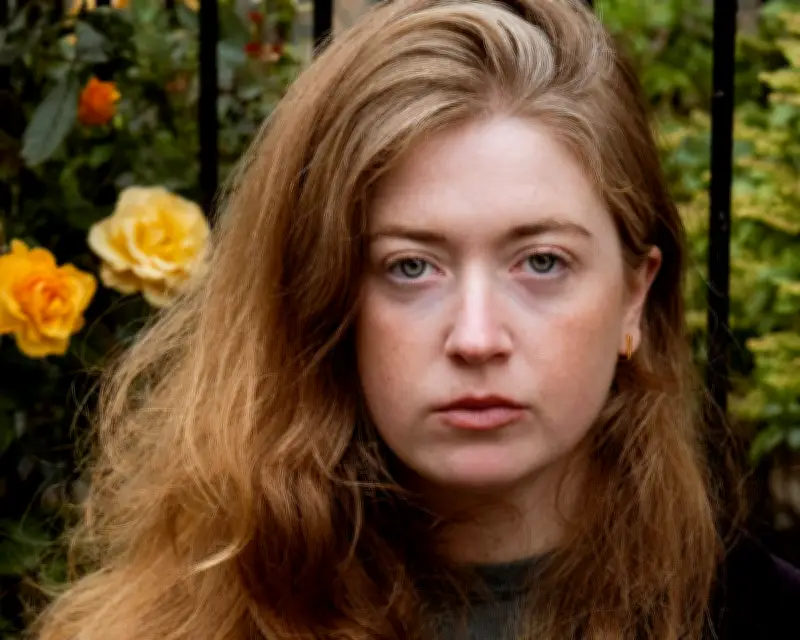
Fiona Mozley's third novel, Awake Awake, delves into the complex interplay between personal and historical memory, following an unreliable narrator whose recollections may be entirely fabricated. The Booker-shortlisted author, known for Elmet (2017) and Hot Stew (2021), returns with a psychologically intricate story that blurs the line between reality and delusion.
A Narrator’s Fragile Grasp on Reality
The novel's narrator, Mary Mooney, is a novelist from York whose first book was also shortlisted for a major literary prize. She recounts her childhood with photographic clarity, describing her parents—religious academics—her home in Cathedral Close, and her school friends. Details are vivid: her father's “large, pointed nose and grey eyes that looked greener than usual when he was outside in the vegetable patch,” and her memory of watching the Twin Towers fall “on a television in the school staff room.”
However, as the story progresses, it becomes clear that many of Mary's later memories—particularly those tied to her literary success—are false. Friends, family, and her doctor convince her that some people she remembers are “wraiths” who never existed. This revelation introduces a Hitchcockian uncertainty that drives the narrative forward.
Memory, Mental Illness, and the Art of Storytelling
Mary admits she is an unreliable narrator, determined to be honest about her confusion. She is on anti-psychotic medication, yet her narrative betrays the artfulness of a novelist. She holds back crucial details, especially about mysterious men she believes she met at a literary dinner and their revelations about her Nobel prize-winning Jewish grandfather's role in ending World War II. The reader is left questioning what is real and what is constructed.
Mozley's prose flips between everyday language and a flattened delivery for the aggressively misogynist and racist figures in Mary's “false” memories. The settings are recognizably British, grounding the surreal elements in a familiar world. As Mary concludes, “We dwell deep within our memories. They are in us and we are within them.” Even her memory of 9/11 becomes uncertain: “no longer clear whether this memory relates to reality or has been constructed.”
Historical and Personal Convergence
The novel explores how history and memory are shaped by similar processes. In an age of conspiracy theories and fake news, fiction and reality blur. Mary's father, after a dispute with the dean of the minster over a memorial service, embraces gnosticism, slipping away from the material world. This mirrors Mary's own struggle to find truth beneath “the thin film of perception we call reality.”
Awake Awake serves as both a clarion call against contemporary moral and political failure in the UK and a philosophical meditation on memory. Its unresolved uncertainties make it a fascinating but strange read. As the Guardian review notes, “you aren't sure it was meant to be quite so strange.”