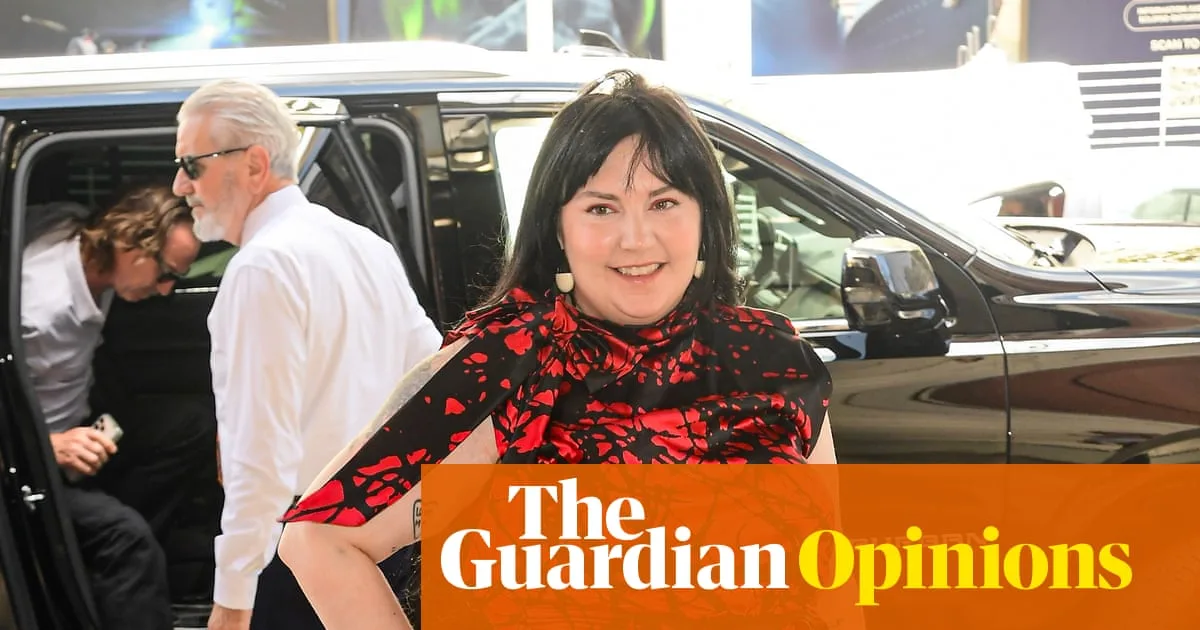
To Lena Dunham, I need to say that I’m sorry. I’m sure she’ll never read this, since she doesn’t seem like the kind of person who Googles herself. If I was Lena, I certainly wouldn’t. The internet is full of mockery, sarcasm and outright cruelty. I’ve been part of the problem, too. Lena and I were starting off our careers at the same time, those halcyon days of the 2010s, when people still subscribed to cable TV and social media was just a fun new tool to post random thoughts and photos of your brunch. Now, if you post a photo of a meal, people will scream at you for bragging that you can afford food.
Fourteen years since HBO’s Girls turned Dunham from an indie film darling into a mainstream superstar, the writer/director is now releasing a memoir that reflects on her time in the cultural crosshairs. The headline of a New York Times interview reads: “Lena Dunham Is Still Trying to Figure Out Why People Hated Her So Much.” This is an odd thing to wonder about, since so much of the criticism was so thuddingly unsubtle or thoughtless. They complained about her weight, her propensity toward nudity on Girls, how ubiquitous she was in the media, and maybe the most popular one – her status as a so-called “nepo baby” of celebrated artist parents in New York City.
I won’t debate the merits of the latter, since you’ve all had more than a decade to make your mind up about that. There’s certainly plenty of misogyny that clouds all of the moldy, oldy Lena Dunham discourse, but it’s even simpler than that. I stated earlier that Lena and my careers were starting at the same time, but I should qualify that with the fact that our careers are not comparable at all. Lena Dunham was on the cover of Rolling Stone magazine, and the most I’ve done is read that issue of Rolling Stone.
Of course, Lena is far more successful than I am, which was part of the issue. Back then, people were being given TV shows just for making the right people laugh on Twitter. Bloggers were getting book deals for expressing their innermost secrets for the world to see. I was one of those insufferable jerks. I worked at Vice Media, when that was a job that could get you to skip the line at nightclubs in Williamsburg and/or free cocaine. Lena Dunham was everything we all wanted to be, those scraggly hipster kids in New York and Los Angeles desperate for a simple crumb of attention.
One of the dumber things I wrote back then was titled “My Love Letter to Lena Dunham”. I was trying to be cute in how I made fun of her, lacing everything with sarcasm and ironic detachment. I wasn’t trying to be clever or intelligent. I was being smug, but I was also hoping she’d read the thing and be … flattered, I guess? Imagine being that childish that you think the literary equivalent of tugging a girl’s pigtails on the playground was actually effective. In her New York Times interview, Dunham rattles off some of the negative portrayals she had to endure back then: “Myopic millennial thinking or hapless feminism or man-hating or liberal twit-dom.” I don’t know if any of that is really accurate, because I don’t know Lena Dunham, but we all thought we did in that era.
This is, as we have come to learn, a byproduct of confessional art, romans à clef, and what seems to be emotional transparency. That was what the millennial moment in the media was all about. Nothing was off limits. “Oversharing” became a badge of honor. Being that vulnerable made people think they knew you. Worse, it could make people wish they were you. Lena Dunham’s brilliance was reflecting that “myopic millennial thinking” back at us, showing us who we wanted to be and who we knew we could never be. I know I’m floating very close to old school “oversharing” here, but I wanted to be Lena Dunham. Not literally, but I wanted to be on her level, to enjoy that success and that approval. But I also hated her for doing that, for being the one that got the trophy at the end of the race. Rarely did I think about the adverse effects of society turning her into a Wicker Man-style totem for us to set on fire. To a lot of us, she stopped being a person and transformed into a symbol. I can’t think of anything more unfair.