Emily Brontë's Wuthering Heights, first published in 1847 under the pseudonym Ellis Bell, has long divided readers and critics. Initially met with mixed reviews, some praised its power and truthfulness, while others were horrified by its brutal cruelty and depiction of semi-savage love. The novel's lack of a clear moral angle left many 19th-century readers unsettled, according to Clare O'Callaghan, a Victorian literature professor at Loughborough University.
Charlotte Brontë later revealed her sister Emily as the true author, arguing that critics had failed to recognise the novel's import and nature. Despite becoming a genre-defining classic, the book remains misunderstood. Its complex, non-linear structure and multiple unreliable narrators—Lockwood and Nelly Dean—can be confusing, with characters sharing similar names across generations.
Director Emerald Fennell, whose film adaptation starring Margot Robbie and Jacob Elordi releases on 13 February, has added quotation marks to the title, stating she is making her own version because the story is too dense and difficult. Fennell first read the novel as a teenager and was captivated, though she acknowledges it is more a revenge story than a romance.
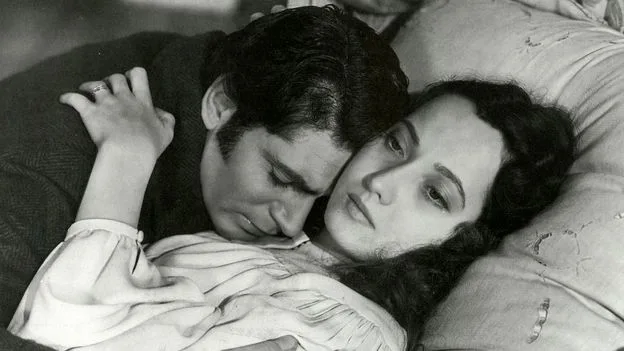
Heathcliff is more a tortured anti-hero than a romantic lead, and Catherine is melodramatic and spiteful. Their unbreakable but ill-fated bond creates a cycle of abuse and destruction. The novel's two-volume structure reflects a generational divide, first focusing on Catherine and Heathcliff, then on their children, drawing sympathy for Heathcliff as an orphaned outsider before revealing his darker nature.