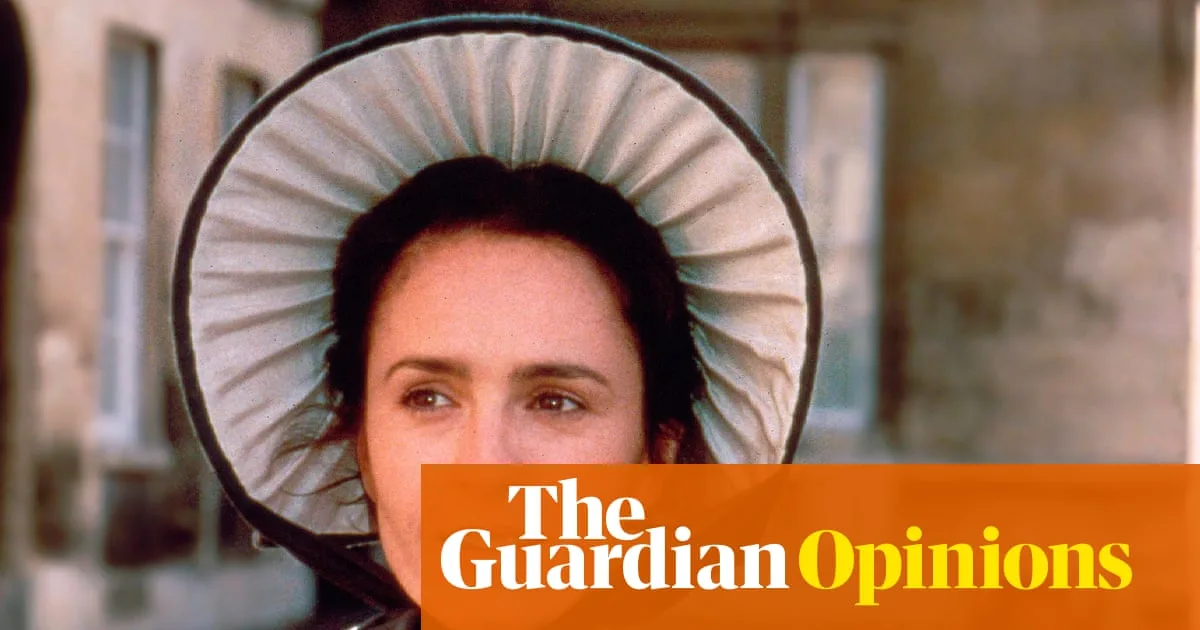
George Eliot's Middlemarch has been voted the greatest novel of all time in a Guardian poll of writers, academics and critics. The 900-page portrait of 19th-century provincial life, first published in instalments in 1871 and 1872, has long been celebrated by literary figures including Virginia Woolf, Henry James and Martin Amis.
The novel centres on the intelligent and idealistic Dorothea Brooke, whose misguided marriage to the desiccated scholar Casaubon highlights the limited opportunities for women in England at the time. Another disastrous marriage involves the ambitious doctor Tertius Lydgate and the vain Rosamond Vincy. Set 40 years before its publication, just before the Reform Act of 1832, the story explores a society on the brink of political and social change.
Eliot, the pen name of Mary Ann Evans, reshaped English-language fiction by placing a high-minded young woman at the heart of her narrative. Her influence can be seen in later characters such as Henry James's Isabel Archer and Virginia Woolf's Mrs Dalloway. Eliot's narrative voice frequently breaks the fourth wall to encourage empathy, which she considered a moral obligation.
Despite its critical acclaim, Middlemarch is not as widely beloved as works by Jane Austen or Charles Dickens, nor has it inspired popular culture references like the Brontës' novels. However, its themes of sympathy, tolerance and the quiet heroism of ordinary lives remain timely. As Martin Amis noted, the novel 'renews itself for every generation'.