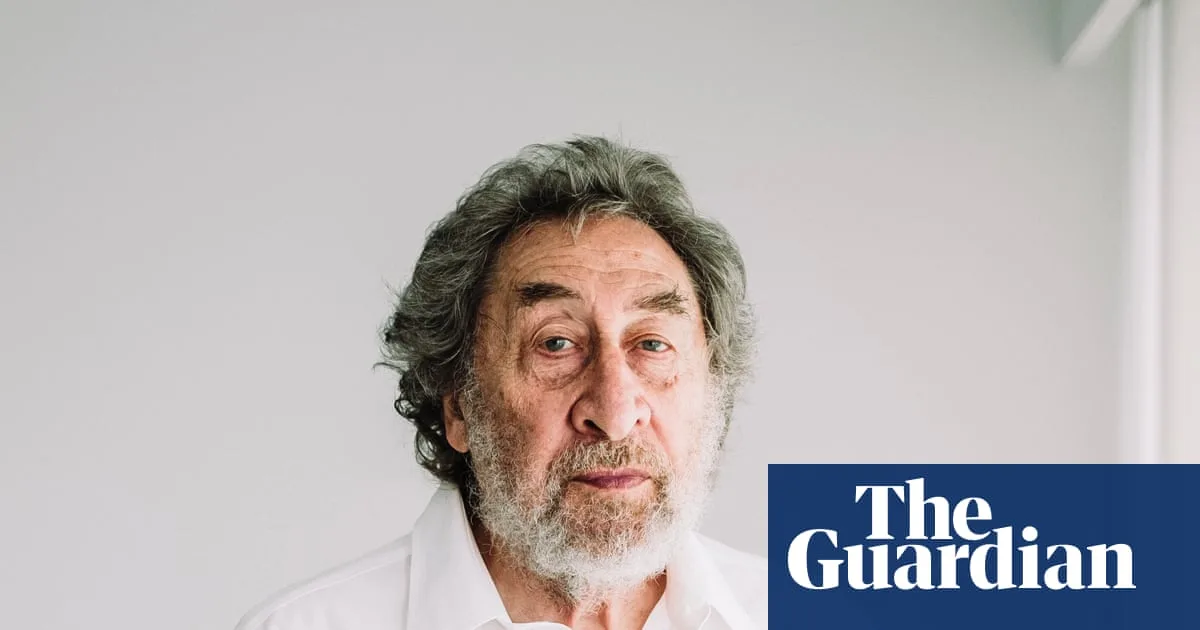
Howard Jacobson’s latest novel, Howl, follows Ferdinand Draxler, a suburban primary school headteacher in London, as he grapples with a surge of antisemitism following the Hamas attacks on Israel on 7 October 2023. The novel, which alludes to Allen Ginsberg’s poem of the same name, explores mental dissolution and strained consciousness, but replaces Ginsberg’s seekers of enlightenment with a prim, guilt-ridden protagonist driven to distraction by anger and guilt.
Ferdinand’s life is upended as pro-Palestinian marches disrupt his pleasurable routines, such as buying chocolate at Fortnum & Mason and visiting the Royal Academy. His distress deepens when he sees his daughter Zoe chanting at protests and tearing down pictures of hostages. Jacobson, who has spoken about feeling unmoored by the conflict, uses Ferdinand to explore the reawakened fear of displacement and violence that antisemitism provokes, confronting readers who may find this perspective enraging.
The novel is both uncomfortable and comic, featuring characters like Ferdinand’s deputy headmaster, a convert to Judaism who now repudiates Israel, and his Gentile wife Charmian, who treats him with forbearance as he externalises his pain through stimming. Ferdinand’s infidelity—in mind and heart—with an ethereal Jewish woman, who turns out to be the love object of his brother Isak, adds to the tragicomic tone. Behind them stands Mutti, a Belsen survivor whom Ferdinand feels duty-bound to protect from swastikas and antisemitic graffiti on her gate.
Readers are left to balance sympathy for Ferdinand’s torment with alienation from his increasingly risky behaviour, as he stalks London streets seeking antisemitism or takes pupils to paint over graffiti. His claim that he is living through a time of madness is hard to deny, and his deep affinity for grammar—particularly a bucolic sentence about a honeysuckle hedge—offers a poignant contrast to his turmoil.