Hachette Withdraws Horror Novel 'Shy Girl' Following AI Controversy
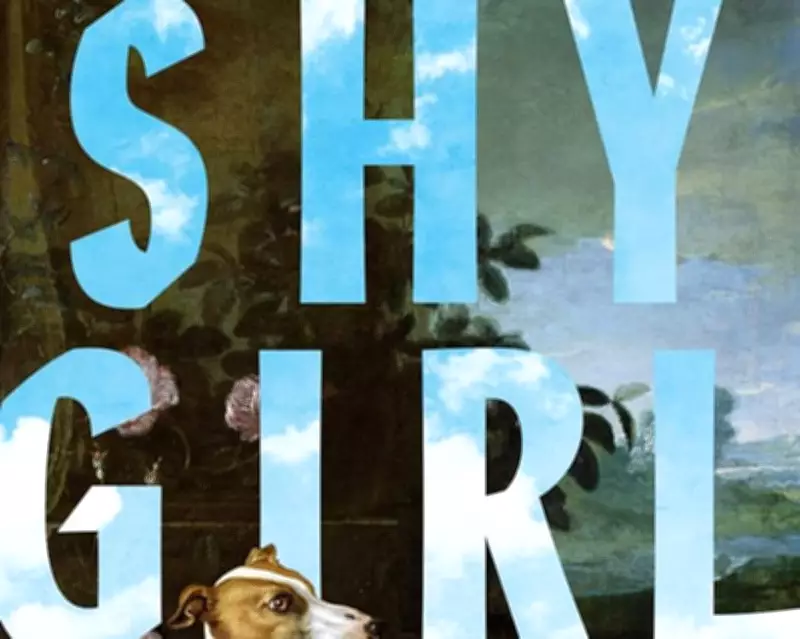
Hachette Book Group has made the decisive move to cancel the US release and withdraw the UK edition of the horror novel Shy Girl by Mia Ballard. This action comes after weeks of intense online speculation regarding the novel's origins, with many readers suspecting the use of artificial intelligence in its creation.
Publication Halted and Sales Discontinued
The publisher confirmed that it has halted publication of Shy Girl following an internal review. Originally scheduled for a spring release in the US under Hachette's Orbit imprint, the book has now been removed from online retailers, including Amazon, and will no longer be distributed in the UK. According to NielsenIQ BookData, the novel had sold approximately 1,800 print copies in the UK since its initial publication in November 2025.
Online Speculation and Author's Response
The controversy began to escalate in early 2026 as social media users on platforms such as Goodreads and Reddit dissected passages from the novel. One Goodreads review stated, "I am quite certain that this was written by ChatGPT," while a widely shared Reddit thread drew hundreds of comments alleging that the prose resembled AI-generated output. A YouTube video titled "I'm pretty sure this book is ai slop" posted in January amassed over 1.2 million views, further fueling the debate.

In response, Mia Ballard has denied personally using AI to write the novel. She explained to the New York Times that an acquaintance she hired to work on an earlier self-published version incorporated AI tools. Ballard expressed deep distress, stating, "This controversy has changed my life in many ways and my mental health is at an all time low and my name is ruined for something I didn't even personally do." Originally self-published in February 2025, Shy Girl has nearly 5,000 ratings on Goodreads with an average score of 3.51 stars.
Broader Implications for the Publishing Industry
This incident underscores the growing challenges publishers face with the rise of AI in creative fields. In a statement to the New York Times, Hachette emphasized its commitment to protecting original creative expression and storytelling. The episode has prompted industry-wide responses, including a new initiative from the Society of Authors in the UK. Last week, they introduced a logo aimed at distinguishing human-authored books from AI-generated content, following a similar scheme launched by the US Authors Guild in early 2025.
The online blurb for Shy Girl describes a plot involving Gia, a lonely and financially struggling woman with OCD, who encounters a mysterious man named Nathan on a sugar daddy website. In exchange for living as his devoted pet, all her debts are erased, highlighting the novel's dark and unconventional themes.
As the publishing world grapples with these technological advancements, this case serves as a pivotal example of the ethical and practical dilemmas surrounding AI use in literature. The Guardian has reached out to Ballard for further comment, but no additional statements have been released at this time.