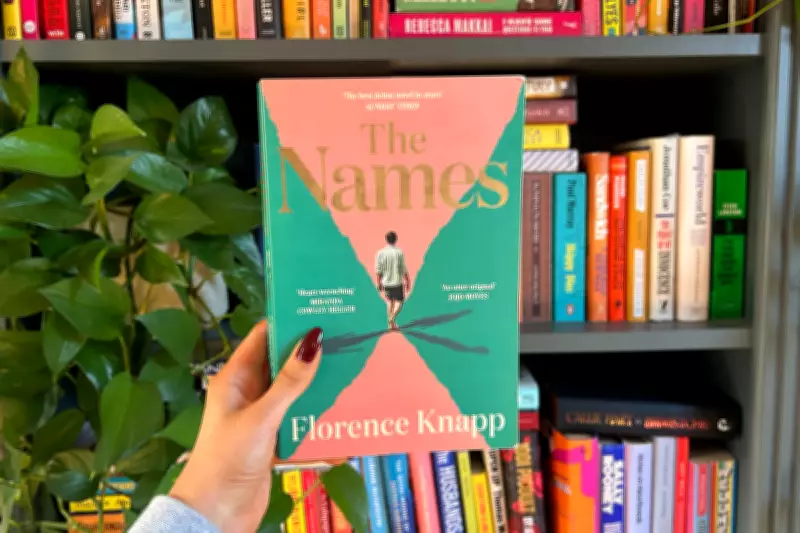
In the vast landscape of contemporary literature, discovering a truly exceptional debut novel is a rare and rewarding experience. Florence Knapp's first foray into fiction, The Names, stands out as a masterful exploration of identity, family, and the profound impact of seemingly small decisions. Having read approximately fifty books over the past year, ranging from romantic fantasy to concise novellas, this particular work has secured the top position in my personal rankings and deserves widespread attention.
A Unique Narrative Structure
The Names presents an utterly original take on the "sliding doors" concept, delving into the theory of nominative determinism—the idea that a person's name can influence the trajectory of their life. The story commences in the aftermath of the Great Storm of 1987, introducing Cora as she embarks on a journey with her nine-year-old daughter to name her newborn baby boy. Cora faces three distinct choices: Gordon, the name demanded by her controlling and abusive husband who wishes to name the child after himself; Bear, the affectionate nickname given by her daughter Maia; and Julian, Cora's own preference, symbolising freedom from paternal expectations.
Three Paths, One Life
The novel is ingeniously divided into three sections—Gordon, Bear, and Julian—each meticulously following the ramifications of the chosen name as the boy's life unfolds over subsequent decades. This structure allows for a gripping and moving family drama that examines how tiny decisions can echo through time, altering destinies in significant ways. The narrative provides an important portrayal of domestic violence and its long-term effects on children, with one version depicting Cora's escape from her husband and another illustrating years of continued abuse.

Despite its exploration of darker themes, The Names possesses a charm reminiscent of cult classics such as William Boyd's Any Human Heart or Min Jin Lee's Pachinko. Readers are invited to follow the characters through their entire lives, witnessing their loves, losses, and moments of resilience. The prose is beautifully crafted, and the characters are deeply compelling, making the novel highly readable even though it may not fit the typical "easy-breezy beach book" category.
Critical Acclaim and Accessibility
Since its release on 5 May 2025, published by Phoenix, The Names has garnered significant acclaim. It debuted at number two on The Sunday Times bestseller list and maintains an impressive average rating of 4.18 on Goodreads, having been nominated in the Goodreads Choice Awards. This recognition underscores its status as one of those rare mainstream novels that genuinely lives up to the hype.
Adding to its appeal, the novel is currently available at half price through an Amazon deal. The hardback edition is priced at £8.49, while the paperback is on pre-order for less than £5, with a release date set for 26 March. This affordability makes it an excellent addition to any 2026 reading list, whether for personal enjoyment or as a thoughtful recommendation to friends and colleagues.
A Personal Endorsement
From a personal perspective, The Names proved impossible to put down. I devoured the book in just two sittings during a holiday, captivated by its old-fashioned page-turner quality. Moments of tragedy within the story may bring readers to tears, but the overarching narrative of love and resilience is undeniably beautiful. The three-pronged structure never feels clunky or confusing; instead, each version builds tension almost like a thriller, keeping the reader engaged from start to finish.
In summary, Florence Knapp's debut is a special achievement in literary fiction. It is beautifully written, explorative of important social issues, and imaginatively structured. For anyone seeking a profound, moving, and utterly compelling read, The Names is well worth discovering. Its universal themes and gripping storytelling ensure it resonates with a wide audience, solidifying its place as a standout favourite in contemporary literature.