Readers have responded to Emily Watkins' recent article arguing that games are the opposite of fun, with a mix of agreement and passionate defense of gaming as a social activity.
Agreeing with the Anti-Games Stance
Janet Knowlson from Perth strongly agrees, quoting WH Davies' poem "Leisure": "What is this life if, full of care, / We have no time to stand and stare?" She questions the restless urge to pursue activities with others rather than engaging in conversation or enjoying one's own company. She notes that her local park is taken over on Sunday mornings by parkrun participants, following each other "like lemmings" with stewards shouting encouragement.
Defending Modern Tabletop Games
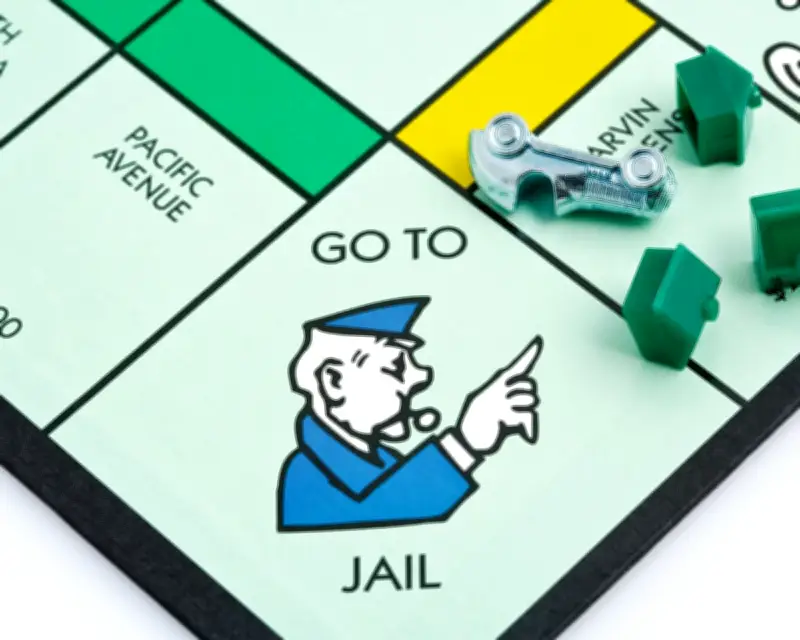
Peter Hazlewood from Calne, Wiltshire, argues that those who hate games have only experienced the worst kinds: interminable Monopoly games with wrong rules, Trivial Pursuit with know-it-all family members, and Cards Against Humanity. He recommends modern, simple tabletop games like Flip 7, Just One, or Wavelength as the ultimate ice-breakers in this digital age, allowing people to spend an hour or two with friends and family without feeling inferior or superior.
Table Tennis as a Level Playing Field
Martin Macarthur from Chertsey, Surrey, responds to the use of table tennis in Watkins' article, noting that it is one of the few sports where men and women can compete on a level playing field, and also across age groups. He plays a few times a week at a top club, often beaten by players as young as 10 who may reach international standard. He has made 100 new friends at his club, describing it as exercise that doesn't feel like exercise because it is fun and social.
Board Games as a Path to Friendship
James Stanier from Helsinki, Finland, shares his experience of moving to a new country 15 years ago. Only recently, after meeting new friends over a beer and playing board games together as adults, did connecting with people feel effortless. He explains that the game broke down barriers and allowed interaction without the pressure of conversation alone. Those acquaintances soon became friends. He argues that at a time when many struggle to build meaningful relationships after the pandemic, dismissing something that has helped many find community is a shame. Board games don't replace conversation but help create the conditions for it, providing common ground for strangers, especially those who find small talk difficult.
A Final Agreement
Elizabeth Barbour from Roanoke, Virginia, US, also agrees with Watkins, saying she pales at the idea of games because she is not competitive, except perhaps intellectually or in the sport of shared dreams and thoughts. She prefers to learn more about others' lives and experiences rather than offload the moment for something artificial and trivial.