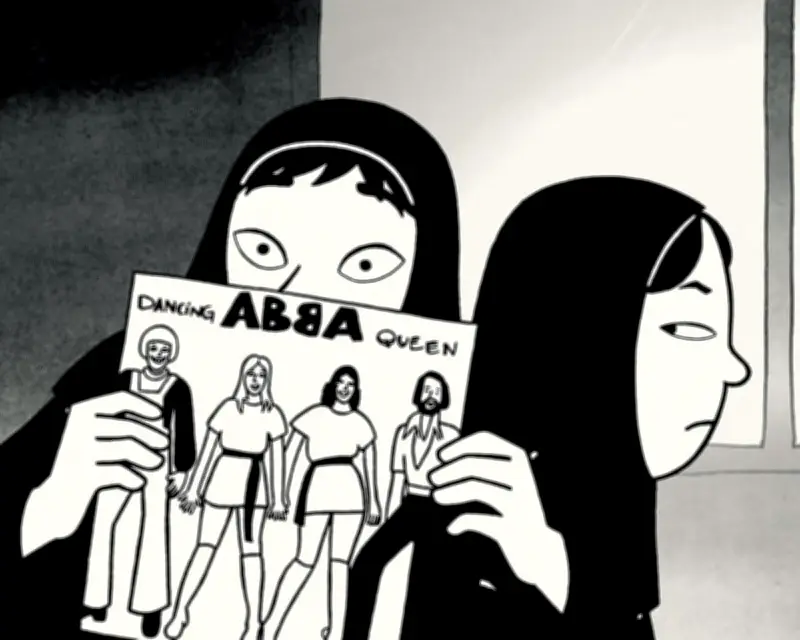
Marjane Satrapi, the Iranian-French graphic novelist and filmmaker whose autobiographical work Persepolis became a global phenomenon, has died at the age of 56. Her death was confirmed by her family, who did not disclose the cause.
Early Life and Exile
Born in Rasht, Iran, in 1969, Satrapi grew up in Tehran during the Islamic Revolution. Her parents, leftist intellectuals, sent her to Vienna at age 14 to escape the repressive regime. After returning to Iran, she studied visual arts at the University of Tehran before moving to France.
Rise to Fame with Persepolis
Satrapi's breakthrough came with Persepolis, a black-and-white graphic novel series published between 2000 and 2003. It chronicled her childhood in Iran and her coming-of-age in Europe, blending personal narrative with political history. The work won critical acclaim and was adapted into an animated film in 2007, which she co-directed. The film received an Oscar nomination for Best Animated Feature.
Other Works and Themes
Satrapi continued to explore themes of exile, identity, and resistance in works like Chicken with Plums and The Sorrows of Satan. She also directed live-action films, including The Voices and Radioactive, a biopic about Marie Curie. Her art often defied censorship, championing women's rights and free expression.
Legacy
Satrapi's influence extended beyond literature and cinema. She was a vocal critic of the Iranian government and an advocate for diaspora voices. Her unflinching honesty and unique visual style inspired a generation of artists. She is survived by her partner and their two children.