Sergei Loznitsa's Imperium has won the Best Film Award at the 70th BFI London Film Festival, which runs from October 7 to October 18. The film, built from archive footage shot by Italian cameramen, explores life in the Soviet Union during the early 1970s and took the top prize in the official competition.
Other competition winners announced
As the festival draws to a close, other winners include Sompot Chidgasornpongse's 9 Temples to Heaven, which received the Sutherland Award for best first feature; Asmahan Bkerat's Concrete Land, winner of the Grierson Award for documentary; and Rahul Roye's Aman, which won the Short Film Award.
The four winning films were selected by separate juries chaired by filmmaker Sam Pollard, actor Amir El-Masry, director Sandhya Suri and writer-producer Helen Simmons.
Jury praise for Imperium
Loznitsa's Imperium was praised by the jury for its use of archive material to offer a rarely seen perspective on Soviet society before the collapse of the USSR. The jury described the film as “richly evocative and emotionally engaging”, adding: “Our jury is immensely proud to honour such a powerful and singular piece of work.”
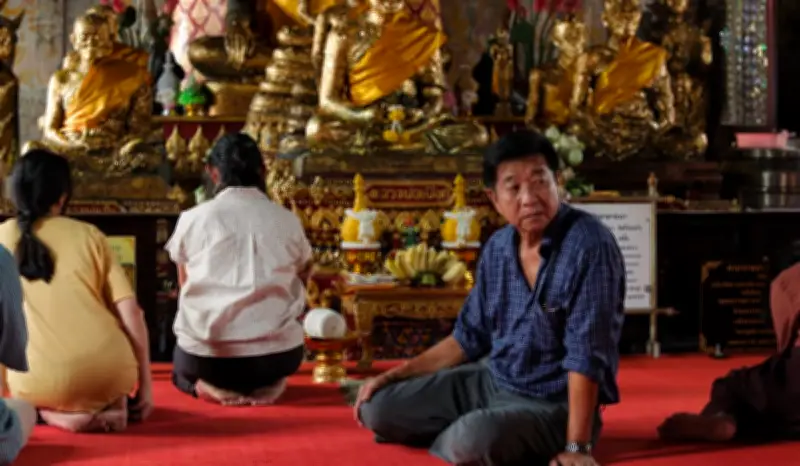
In the First Feature Competition, Thai filmmaker Sompot Chidgasornpongse was recognised for 9 Temples to Heaven, a meditative drama exploring family, faith, life and death. The jury praised the film as visually outstanding and spiritual, describing it as an accomplished debut whose themes transcend borders and generations. British filmmaker Bertil Nilsson received a Special Mention for Masc, which follows a young man navigating temporary jobs and relationships while searching for a sense of belonging.
Documentary and short film awards
The Grierson Award for best documentary went to Asmahan Bkerat's Concrete Land, an intimate portrait of a multigenerational family in Jordan facing displacement and the erosion of their cultural traditions. The Documentary Competition jury praised Bkerat's filmmaking and the close relationship established with the film's subjects, highlighting the family's “quiet resilience and dignity” and describing the documentary as a deeply relevant work of observational cinema.
A special mention went to Theo Rollason's Queer Edward II, which uses archive footage to examine Derek Jarman's 1991 film Edward II against the backdrop of anti-LGBTQIA+ legislation in 1980s Britain.
Meanwhile, Rahul Roye's Aman won the Short Film Award for its exploration of gender identity, masculinity and fatherhood. The film follows a trans man who discovers he is pregnant on the eve of his gender-affirming surgery, forcing him to confront unexpected questions about his future. The jury praised its nuanced characters, cinematography and refusal to offer simple answers to complex issues.
Elizabeth Hobbs' Daughters of the Late Colonel, about two sisters dealing with the death of their controlling father, received a special mention for its distinctive visual style and combination of humour and pathos.
Audience Awards still open
Aman is available to watch free on BFI Player until October 25. The festival's Audience Awards have yet to be decided, with voting open until Wednesday, October 21. The winners of Best Feature Film and Best British Discovery will be announced at a later date. Last year's audience winners were Chloé Zhao's Hamnet and Yemi Bamiro's documentary Black Is Beautiful: The Kwame Brathwaite Story.
The awards conclude the competition programme of the BFI London Film Festival's 70th edition, which recognises established filmmakers alongside emerging talent from around the world.