Mirror columnist Brian Reade has written a new book, The Kop: A Fan's History of Football's Most Famous Stand, exploring the story of Anfield's iconic terrace. In an exclusive extract, he recounts his personal connection to the stand and its remarkable history.
Reade describes a visit to South Africa's Spion Kop hill, where a guard recognised his Liverpool connection and welcomed him home. The hill, site of a devastating battle in the Second Boer War, gave its name to the famous Anfield stand.
The origins of the Kop
In January 1900, during the Second Boer War, Spion Kop became known as "The Acre of Massacre" after hundreds of British soldiers were killed in a single day. The term entered the English language as a description of a steep hill, and as football clubs built large spectator embankments, some named their terraces in honour of local soldiers who died there.
Woolwich Arsenal built the first Kop in 1904, but it was the 28,000-capacity stand at Anfield in 1906 that made the phrase famous worldwide.
A terrace singing phenomenon
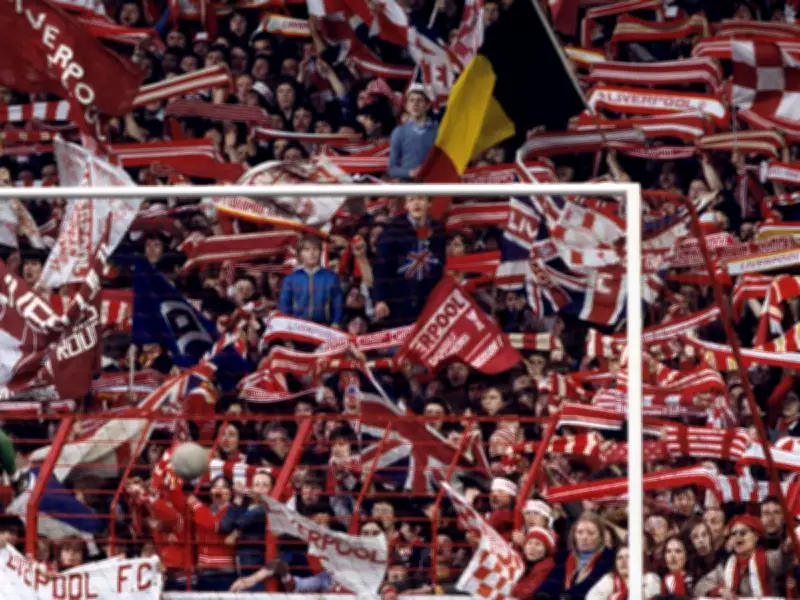
The Anfield Kop gained national attention in the mid-1960s through Merseybeat, TV coverage and Bill Shankly's successful young team. A tannoy system playing the top ten singles turned matches into mass singalongs, with Liverpool finding its collective voice.
Pink Floyd incorporated the Kop's singing of You'll Never Walk Alone into their song Fearless, a record company released an album called The Kop Choir, and even the BBC's Panorama documented the terrace.
A personal rite of passage
Reade first experienced the Kop as a seven-year-old, perched on his father's shoulders in the Anfield Road End. His debut on the Kop itself came in 1970, in a derby match against Everton, where he witnessed a dramatic comeback and felt the crowd's power firsthand.
The book, published October 8 by Quercus at £25, offers a fan's perspective on one of football's most storied stands.