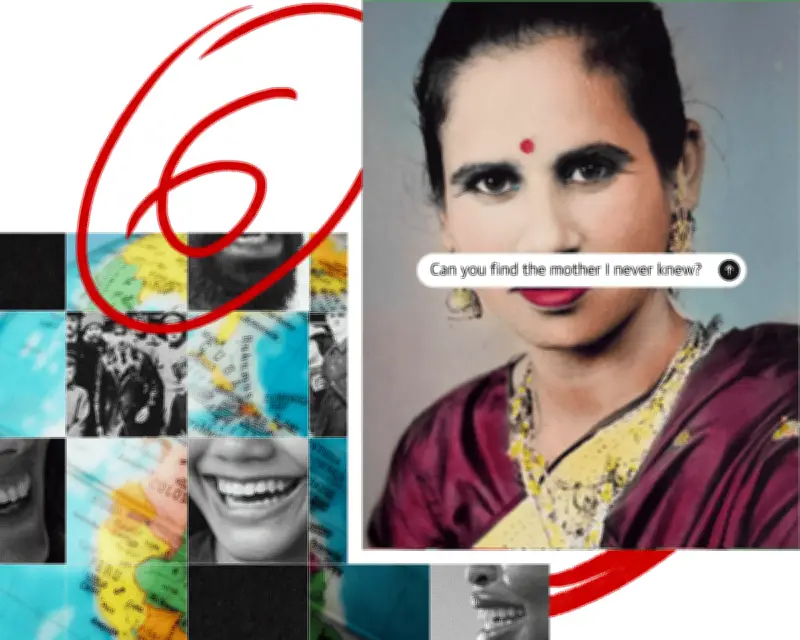
‘I thought, I’ve tried everything else, why not give AI a shot?’: the long-lost family reunited by ChatGPT
Avtar spent decades wondering what happened to the mother he never got to know. Thousands of miles away, Nicci was haunted by the story of a half-brother given away before she was born. Jenny Kleeman’s story tells how ChatGPT found an article that led to an email, and ultimately to a reunion. “There is a human touch to AI – look what happened,” the piece says.
Nudists, peaceniks and freeloading travellers: the people keeping the Esperanto dream alive
Esperanto’s enthusiasts are often dismissed as eccentric, but the invented language once carried serious political weight. It gained traction in international labour, anticolonial and anarchist movements before facing persecution during the second world war. Katie Thornton’s long read examines the movement’s annual congress and why today’s supporters – many of them no strangers to conflict – still believe that a century-and-a-half-old language could overcome the world’s divisions.
‘It makes you feel you’ve got a really dirty house’: what’s behind the UK’s plagues of flies?
Lucy Knight visited one of Britain’s most insect-plagued neighbourhoods to report on what it is like to be surrounded by clouds of flies for weeks on end. The article also asks whether flies, despite their reputation, could be due a rebrand.
Deep breathing: the asthma clinic buried 250 metres into an Armenian salt mine
Each morning, a handful of Armenians descend 250 metres into an active salt mine and spend six hours in cavernous chambers of rock salt, hoping the air below ground will ease their breathing. Pjotr Sauer visited one of the world’s only hospitals in a deep salt mine. Its future now hangs in the balance after Armenia withdrew state funding, raising broader questions about its role in supporting alternative medicine.
‘I never mentioned it for 25 years. I didn’t want to be a victim of the bomb’: Hiroshima survivor Koko Kondo on horror, anger and forgiveness
Koko Kondo was a baby in her mother’s arms on the day Hiroshima was bombed in 1945. She spoke to Simon Hattenstone about her father’s newly discovered eye-witness account of the aftermath, and why she chose to continue his work as a peace activist. “I don’t want to see any child go through that. That’s why I do not want to see any war in this world. This beautiful world,” she says.
Just when you thought it was safe … the shark movie is back for more
Shark thrillers are often regarded as a form of natural slasher film – horror movies set in a heightened but not wholly outlandish reality, the aquatic equivalent of a masked killer in the woods. Jesse Hassenger writes about Shark Week, which arrives in an overstuffed period for the genre, even if nothing will ever rival the greatest of them all.