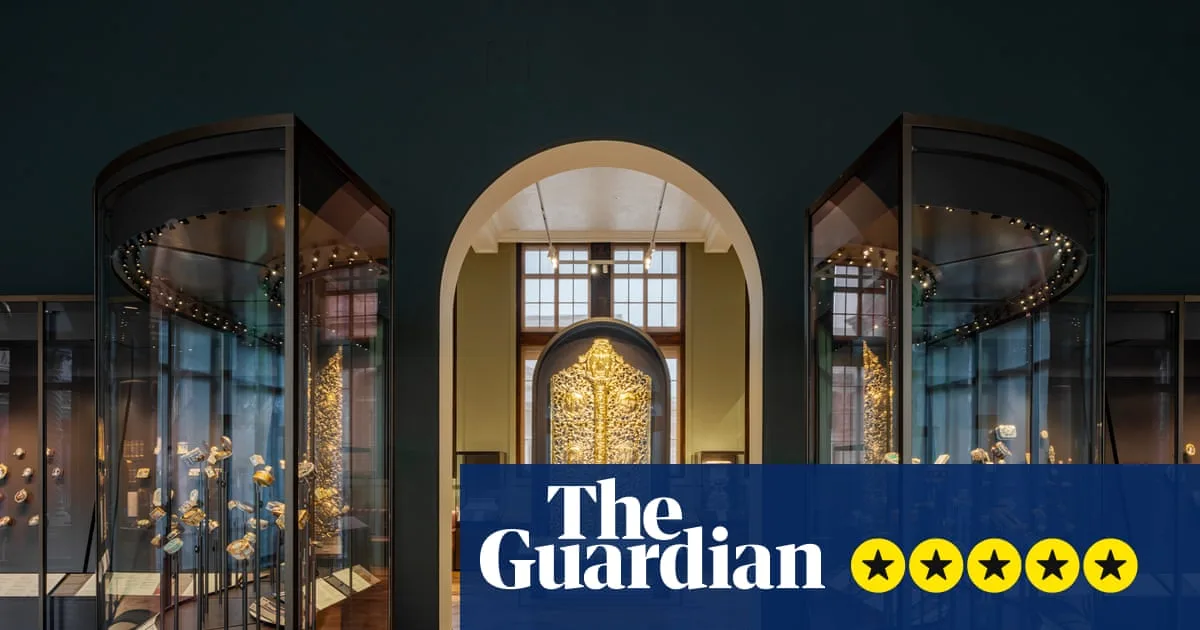
The Victoria and Albert Museum has reopened its Gilbert Galleries, showcasing the vast collection of decorative arts bequeathed by Sir Arthur Gilbert and his wife Rosalinde. The redesigned space not only displays the exquisite items but also addresses the often-controversial origins of these treasures, reflecting a shift in museum practices towards greater transparency.
The collection, which began in the 1960s, includes over 1,000 pieces such as gold and silver works, Italian micromosaics, and enamel portrait miniatures. Highlights include Frederick the Great's mother-of-pearl snuffbox and a miniature of Queen Charlotte. The V&A has expanded the gallery from four to seven rooms, with a focus on craftsmanship and historical connections to figures like Catherine the Great and Napoleon.
A key feature of the reopening is the emphasis on provenance. The museum has installed dual captions that reveal what was known about an object's history at the time of acquisition and the full story uncovered through research. This approach tackles issues such as Nazi-looted items, which have long been under-acknowledged in museum displays. The V&A created a provenance and spolia curator role in 2018, funded by the Gilbert Trust for the Arts, to lead this work.
The Gilbert collection was bequeathed to the nation after Rosalinde's death in 1995 and has been housed at the V&A since 2008. The couple, who built their fortune in fashion and property development, amassed the collection through their love of 'beautiful things'. The new display aims to balance aesthetic appreciation with ethical accountability, setting a precedent for how museums present private collections.