American composer Keir GoGwilt's collaborative project The Zarabanda Variations delves into the colonial Latin American roots of the sarabande dance, before it was popularised in 17th and 18th-century Spain. The album enlists a 10-piece ensemble combining free jazz with baroque strings and spoken-word poetry.
A Radical Reimagining
On first listen, it is hard to hear how this music relates to the classical sarabande. Scrapes of atonal strings, clattering percussion, guttural vocalisations and sharp whistles create a cacophony of tension throughout, as if mirroring the passionate energy of the dance's original forms. GoGwilt's compositions embrace lesser-known historical references to produce something entirely new.
Highlights and Influences
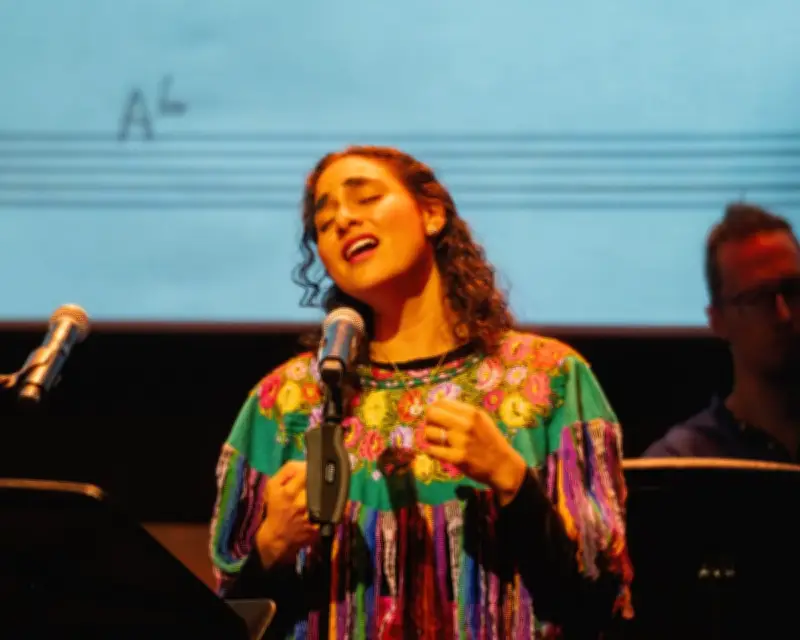
The wonky metre of Matachín alludes to the contemporaneous Spanish carnival dance of the same name, embodied in Alec Goldfarb's muscular jazz guitar. Otra Llorona calls to the sarabande's Mexican influences with yearning folk vocal melodies from singer Mariana Flores Bucio. Tonada Americana combines the swaying rhythm of the 17th-century Hispanic dance tonada with shards of atonal violin bowing, creating anticipation for a resolution that never arrives.
A Challenging but Rewarding Listen
This is by no means an easy album, with several spoken-word interludes from poet Edgar Garcia containing confounding references. However, its instrumentation is virtuosic and its scope is remarkable. Through this strange reimagining, GoGwilt uncovers depths to keep composers interested in the sarabande for generations.