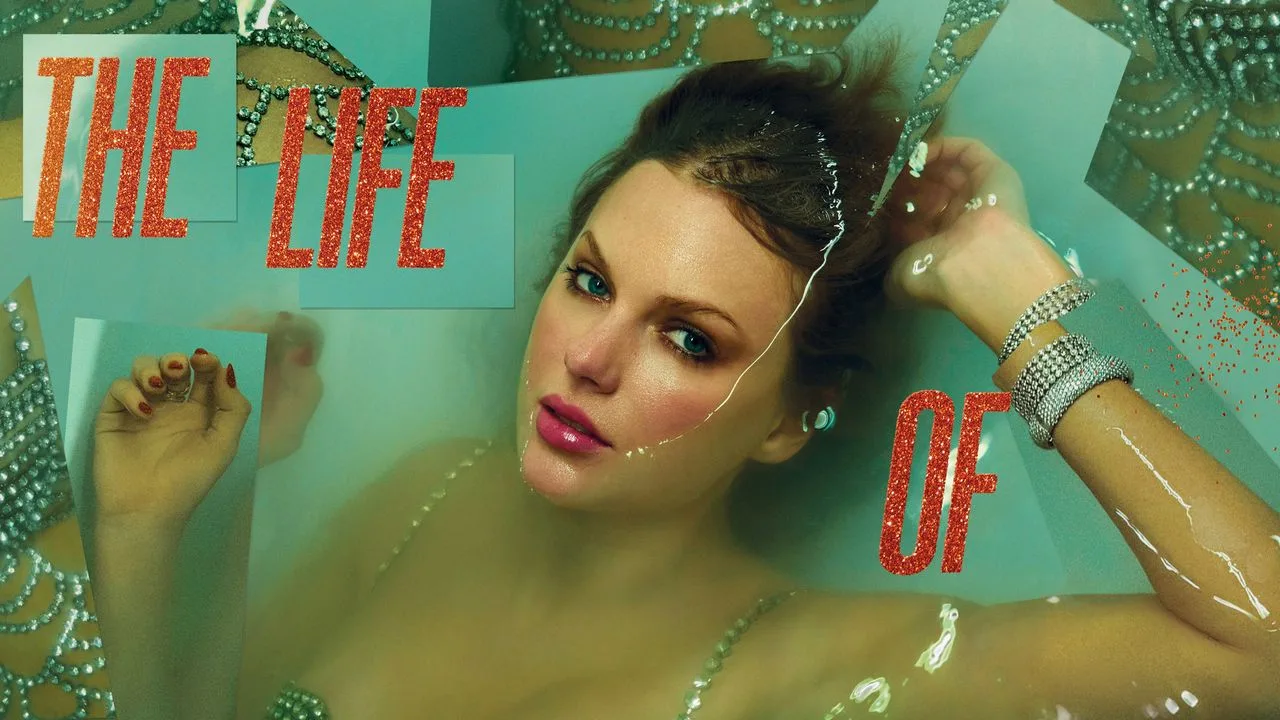
Taylor Swift opens her 12th album, 'The Life of a Showgirl', released on October 3, with a song titled 'The Fate of Ophelia', directly referencing the tragic character from Shakespeare's 'Hamlet'. Swift finds Ophelia relatable as a young woman navigating patriarchal pressures, whose emotions are weaponised and who finds power in singing her rage.
In the song, Swift rewrites Ophelia's ending, mirroring her own narrative of being consumed by others' expectations. The allusion echoes themes from her previous album, 'The Tortured Poets Department', where she pleads 'temporary insanity' and casts herself as Ophelia to a tortured, self-obsessed Hamlet figure.
Professor Emma Smith of Oxford University notes that Ophelia has been reinterpreted by artists due to her lack of backstory in the play, making her an unfinished canvas. Swift continues this tradition, projecting her own experiences onto the character and joining a lineage of women artists reclaiming Ophelia's story.
Swift's invocation of Ophelia underscores how her public image, like the character's, remains an unfinished canvas for fans to project upon. The song offers a new perspective on the classic figure while exploring Swift's own journey through romance, madness, and patriarchal expectations.