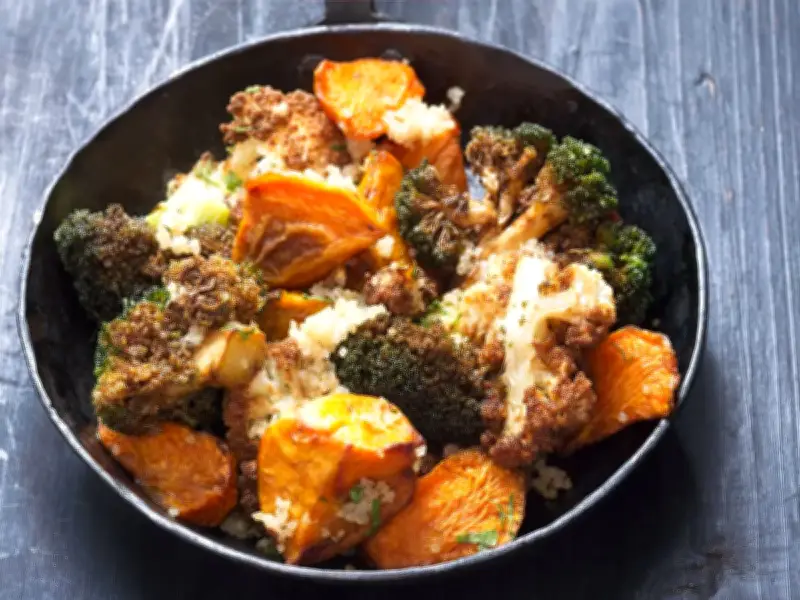
Boiling broccoli and cauliflower leaves them soggy and bland. Frying or roasting them transforms these vegetables into something far tastier, and the method is no more difficult than boiling them in water.
Frying and roasting: the best cooking methods
The best way to cook broccoli and cauliflower is to either pan fry or roast them. Both methods work for both vegetables, but the finest results come from frying broccoli and roasting cauliflower. Broccoli sprouts tend to catch and burn too easily in the oven, whereas cauliflower can handle higher temperatures for longer.
To fry broccoli, separate the individual florets from the head and slice each one in half, aiming to achieve the largest flat surface possible for frying. Heat a large frying pan with oil or butter, then cook the broccoli flat side down over a low-to-medium heat until the base is caramelised. Turn them over and cook on the uneven side for a little longer. Season with salt while they cook, or toss the broccoli in oil and seasoning in a bowl before adding it to the pan.
Roasting cauliflower is virtually impossible to burn
The same technique works for cauliflower, which is also incredibly easy to roast and virtually impossible to burn. To roast cauliflower, separate the individual florets, halving or even quartering the larger ones — the smaller they are, the more they'll caramelise and crisp up. Season them, optionally adding ingredients such as onion powder and smoked paprika to enhance the flavour, and roast for around 30 minutes on a high heat.
Why frying beats boiling
The dramatic difference in taste comes down to a strict temperature limit and two specific chemical reactions that create complex, sweet, and savoury flavours. When you boil broccoli, the cooking temperature is limited to 100°C — the boiling point of water. At this heat, the vegetable softens and its starches cook through, but the temperature isn't sufficient to trigger browning. The water also dilutes the natural sugars and flavour compounds, often leaving the broccoli tasting flat or mildly bitter. With cauliflower, the effect is even more pronounced — boiling it frequently releases unpleasant sulphurous compounds.
When you fry or roast broccoli or cauliflower in oil, the surface temperature can readily reach between 150°C and 200°C. Because oil can get far hotter than water, and because the dry heat draws out surface moisture, it sets off two crucial transformations. The Maillard Reaction starts around 140°C, as the amino acids and reducing sugars in the vegetables react together, creating hundreds of new, highly complex flavour compounds that taste savoury, meaty and toasted. Caramelisation begins as the temperature climbs past 160°C, when the natural complex carbohydrates break down into simpler sugars, which undergo pyrolysis and turn brown, creating sweet, nutty, and slightly buttery flavours.
The dry heat also drives out moisture, concentrating the newly developed sugars and flavours, making the end result taste considerably sweeter and richer compared to boiling. With seasoning, the result is a complex blend of sweet, salty, nutty, buttery and even meaty flavours — a far cry from the bland, mushy, boiled versions.