Scotland is home to traditions passed down through generations, many still playing a huge part in everyday life and annual celebrations. Some are centuries old, while others have evolved, but all offer a glimpse into Scotland's past and the customs that helped shape the country. As some traditions fade, Scots will want to see many carried on for generations to come.
First Footing and Hogmanay
One of the most recognisable is first footing, which takes place in the early hours of January 1 after the bells ring in the New Year. The tradition involves visiting friends and relatives shortly after midnight, with the first person to cross the threshold believed to bring luck for the year ahead. Traditionally, the first-footer was supposed to be a tall, dark-haired man carrying gifts such as shortbread, salt, black bun or whisky. While rules have relaxed, plenty of Scots still ensure someone with dark hair is first through the door.
First footing is closely linked to Hogmanay, one of the biggest celebrations in the Scottish calendar. Once the clock strikes midnight, families and friends raise a glass, sing Robert Burns' Auld Lang Syne and wish one another a happy New Year. In some areas, street parties and fireworks form part of the celebrations. Hogmanay often overshadows Christmas in Scotland, considered the biggest winter celebration. The traditional quaich, Scotland's cup of friendship, may also appear, historically used to offer a welcoming drink and still used by some families when raising a toast.

Highland Games and Kirkwall Ba'
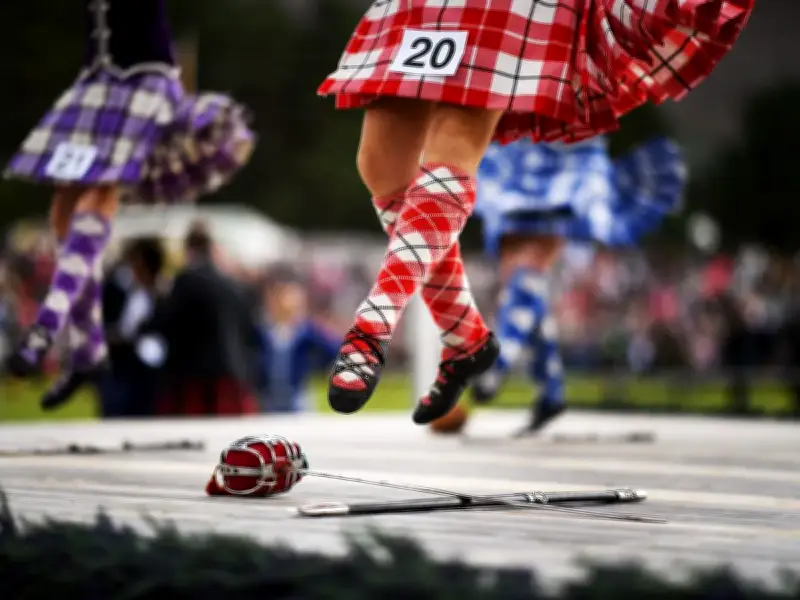
Another tradition worth keeping alive is the Highland Games. Held across Scotland during warmer months, these events combine sport, music and Scottish culture. Competitors take part in heavy events including caber toss, hammer throw and tug-of-war, often wearing traditional Highland dress. With more than 80 Highland Games across the country, they remain a major part of Scotland's summer calendar, attracting locals and visitors.
In Orkney, one of Scotland's most unusual traditions takes over the streets of Kirkwall. The Kirkwall Ba' is a mass game of football played every Christmas and New Year's Day, with the entire town becoming the pitch. Players battle over a cork-filled leather ball known as the ba', with teams divided into Uppies and Doonies. Sides were originally determined by birthplace, but family loyalty now plays a major role, with generations often following the same team.
Gretna Green and the Royal Edinburgh Military Tattoo
Scotland's wedding traditions also have their place in history, with Gretna Green famous as a destination for couples marrying away from home. Its reputation dates back to the 18th century, when Scottish marriage laws differed from those in England and Wales. Couples began travelling across the border to Gretna Green, the first easily accessible Scottish village for many from England. Today, it remains one of Scotland's most known romantic destinations, attracting couples from around the world.
Finally, few traditions are as instantly recognisable as The Royal Edinburgh Military Tattoo. Held against the backdrop of Edinburgh Castle, the event combines military music, pipes and drums, Highland dancing and performances from groups worldwide. First held in 1950, the Tattoo has grown into one of Scotland's most famous annual events, attracting huge audiences in Edinburgh and globally. From the sound of pipes at the Tattoo to the chaos of the Kirkwall Ba', these traditions are part of what makes Scotland distinctive and worth passing on to future generations.