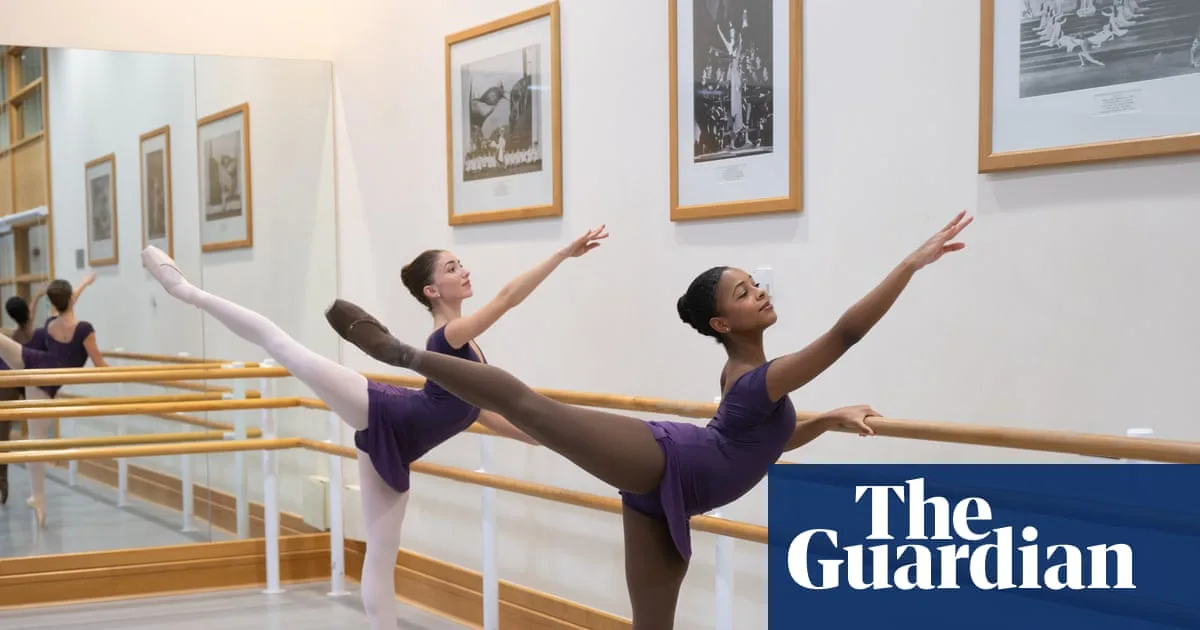
The Royal Ballet School in London has announced a significant shift in its training approach, raising the entry age for boarding students from 11 to 13. The change, introduced by artistic director Iain Mackay, aims to reduce pressure on young dancers and prioritise their mental health. The school, based in a Georgian hunting lodge in Richmond Park, has long been known for its rigorous training, but new data and sports science research have prompted the overhaul.
Mackay, a former principal dancer with Birmingham Royal Ballet, said the decision came from studying hard data and knowledge from sports science about early specialisation. The school employed a data analyst to examine dancers' trajectories, burnout rates, injuries, and the impact of leaving home at age 11. “It’s not saying that what we’ve been doing is wrong,” Mackay explained, “but can we do better for these young people?”
Under the old system, students were assessed annually and could be “assessed out” if they did not meet progress expectations or if their bodies developed in ways unsuitable for ballet. Re-auditioning was required to enter Year 10, creating constant anxiety. The school has now abolished annual assessments and the Year 10 audition, although entry to the Upper School (ages 16-19) still requires an audition. Mackay highlighted the concept of “identity foreclosure”, where a child defined solely as a ballet dancer may suffer if that identity is removed.
The new structure will allow students to start boarding at age 13 (Year 9), with the Royal Ballet’s Associate Programme continuing to offer part-time training from age eight. Mackay believes starting later will give a better sense of which students have the physical and artistic potential for a professional career. “Even if we’re taking in a 13-year-old, they’re going to change and develop, and we will support that,” he said.
The school, founded in 1926 by Ninette de Valois, remains highly selective: two years ago, only 40 students were accepted from over 1,000 applications, with 90% receiving bursaries. Recent figures suggest only two-thirds of current students will progress to the Upper School. Despite the changes, the training remains intense, with teachers focusing on detailed muscular articulation and artistry. Mackay encourages students to rest and play during holidays, but acknowledges their dedication: “When you’re as obsessed as these students, there’s little else but ballet you want to do.”