This year marks the 50th anniversary of punk, five decades since the Sex Pistols played Manchester's Lesser Free Hall and allegedly inspired everyone present to start a band, and since the Ramones acted as a similar catalyst at London's Roundhouse. To celebrate, The Guardian is compiling a map of the UK's contemporary zine scene and wants to see your active music zine.
The Birth of Punk and the Zine Explosion
Although zines – self-made magazines – had existed for at least a decade prior to punk, the movement's DIY spirit manifested in an explosion of homemade publications documenting the scene, its mores, norms and beefs. The most famous example is Sniffin' Glue, which first appeared in 1976 and became a template for countless others.
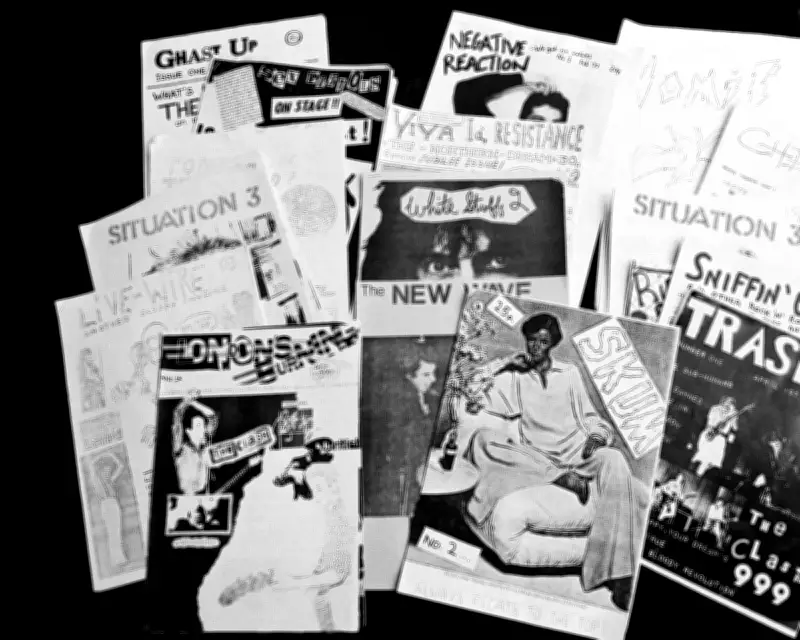
Punk fanzines from 1977, such as those photographed by Estate Of Keith Morris/Redferns, capture the raw energy of that era. These publications were often photocopied, stapled together, and distributed at gigs or through record shops, providing a voice for a generation that felt ignored by mainstream media.

The Resilience of Zines in the Digital Age
Even as many traditional music magazines have folded in the era of online music journalism, zines have persisted – and even enjoyed a resurgence. Younger readers, in particular, are searching for a tactile relationship with media, away from screens and algorithms. Zines offer a personal, handcrafted alternative that resonates with those who crave authenticity and community.
According to The Guardian, if you make a zine about music, they want to see it. They are not interested in historic items from a cherished collection, nor projects that have ceased publication. Instead, they seek extant, ongoing DIY magazines in which you and your friends document your scenes, tastes, loves and hates – for what is a zine without a good diatribe?
How to Participate
To participate in an upcoming Guardian Music feature, you can fill out the form provided in the original article and upload a PDF of your latest issue. The form is encrypted, and only The Guardian has access to your contributions. Your responses can be anonymous if you wish, and any personal data will be deleted when no longer required for the feature.
Participants must be 18 or over. For more information, refer to The Guardian's terms of service and privacy policy. Alternative ways to get in touch securely are available via their tips guide. By submitting your response, you agree to share your details with The Guardian for this feature.
The Legacy of Punk DIY Publishing
The 50th anniversary of punk is a reminder of how the movement's ethos of do-it-yourself creativity has endured. From the Sex Pistols' chaotic gigs to the Ramones' raw sound, punk inspired a generation to pick up instruments and pens alike. Zines like Sniffin' Glue, Sideburns, and Ripped & Torn became essential reading, offering reviews, interviews, and manifestos that shaped the culture.
Today, zines continue to thrive in niche communities, covering everything from indie rock and electronic music to hip-hop and experimental sounds. They are sold at independent record stores, distributed at festivals, and shared online, proving that the printed word still has power in a digital world.
The Guardian's map of the UK's zine scene aims to showcase this vibrant culture, highlighting the diversity and creativity of modern DIY publishing. Whether you produce a glossy, full-colour magazine or a photocopied, hand-drawn pamphlet, they want to hear from you.
So, if you make a music zine, don't hesitate to share it. This is your chance to be part of a feature that celebrates the enduring spirit of punk and the people who keep the DIY flame alive.