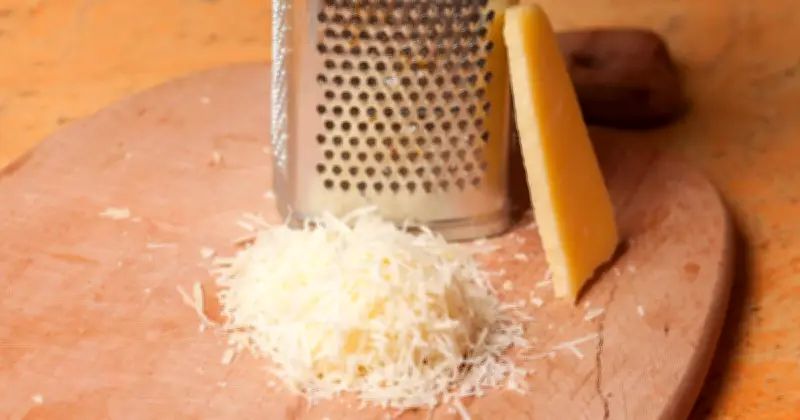
Whether it's a sprinkling or a hefty handful, cheese is a common ingredient in many pasta dishes, with Parmesan and Pecorino being the primary choices. These two types of cheese carry centuries of heritage, shape entire recipes with just a sprinkle, and embody the soul of Italian cooking in ways that often go unnoticed.
What Is the Main Difference Between Parmesan and Pecorino Cheese?
The fundamental difference is the milk. Parmesan is made from cow's milk, giving it a nutty, sweet, savoury character. Pecorino Romano is made from sheep's milk, giving it a sharper, tangier, saltier, more pungent character. This difference in milk is the root of their distinct flavours. So Parmesan is the cow's-milk cheese (nuttier, sweeter), and Pecorino Romano is the sheep's-milk cheese (sharper, saltier). The milk drives everything else about how they taste and behave.
How Do the Flavours Differ?
The flavours noticeably differ. Parmesan is nutty, fruity, savoury, and relatively sweet, with deep umami and a complex, balanced flavour that's bold but not aggressive. Pecorino is much sharper, saltier, and tangier, with a tangy, pungent bite from the sheep's milk. So Pecorino Romano is the saltier, sharper, more assertive cheese, and Parmesan the nuttier, sweeter, more rounded one. In a dish, Pecorino brings a salty punch, while Parmesan brings savoury depth. They taste distinctly different despite both being hard-grating cheeses.

How to Use Parmesan and Pecorino Cheese in Cooking
Both cheeses are grated over pasta and dishes, but the choice matters in Italian cooking. Parmesan's nutty, savoury, less salty character suits a huge range of dishes, from risotto recipes to creamy sauces to finishing almost anything — it's the versatile, all-purpose grating cheese. Pecorino Romano's saltiness and sharpness are essential to certain Roman pasta dishes – cacio e pepe, creamy carbonara, and amatriciana – where its salty bite is key. For these Roman classics, Pecorino is traditional; for general use and milder dishes, it's Parmesan. Some cooks blend the two to balance saltiness and depth.
Can You Substitute One for the Other?
As they serve similar roles, people sometimes substitute one for the other. You can substitute, but the results differ: using Parmesan instead of Pecorino gives a milder, less salty, nuttier result (and may need extra seasoning). Pecorino instead of Parmesan gives a saltier, sharper result, so use less salt elsewhere. A blend is a common compromise. Substitute if needed, but expect a different flavour balance.