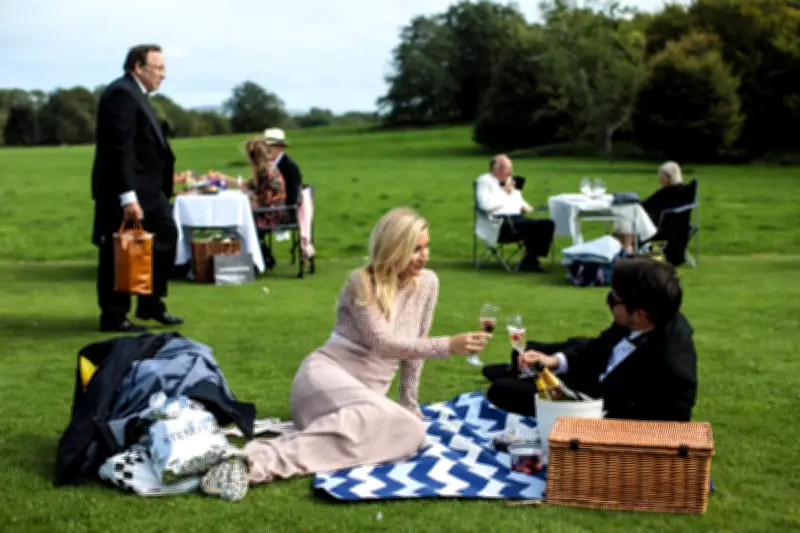
At the height of the summer season, Glyndebourne's lawns look bleached, a panorama of pale straw-like grass, bone Panama hats, white starched shirts, white linen tablecloths, and puffs of white hair. The audience is overwhelmingly elderly, with the youngest attendees decades older than the average. This ageing demographic is not just an aesthetic concern but a harbinger of opera's decline.
An Ageing Audience and a Dying Art
The Arts Council reported in 2024 that the highest proportion of bookers was from those aged 65 and over. Actor Timothée Chalamet's recent comment that "no one cares" about ballet or opera is worrying, not because it's true, but because a young artist believes it. Opera companies have tried to appeal to younger audiences, sometimes innovatively, such as the ENO's RBO/SHIFT festival exploring AI and opera, and sometimes by pandering to political correctness, like the Met's trigger warnings for Turandot or the Royal Opera's racial consultation before Madame Butterfly. Yet young people don't flock to opera simply because it's politically correct.
Not Just About Money
Cost is often cited as a barrier, but at Glyndebourne, tickets were £260 each, while a Glastonbury weekend ticket costs £400. Glyndebourne even offers half-price tickets to under-40s. The real issue isn't cash or political correctness but the death of an intellectual class.

Attention spans have been eroded by smartphones and algorithms, making four hours of classical singing unappealing to those used to 20-second TikTok clips. More insidiously, the decline of opera mirrors a broader rejection of intellectualism. Rose Horowitch's Atlantic essay on "the end of reading" notes that only 16 per cent of Americans read for pleasure in 2023, less than those who gamble, and highlights the waning of higher-order abilities like comprehension and synthesis.
A Crisis in Intellectualism
Horowitch also reveals how universities encourage this demise, with students using ChatGPT to "translate" A Clockwork Orange into simpler language and viewing reading as burdensome. As a lecturer, I see pressure to cater to this by presenting less complex texts. Andy Burnham's push to channel less scholarly students into apprenticeships exacerbates the problem, robbing them of educational opportunities and the chance to be inspired. Studying plumbing and moral philosophy, I found the latter stretched my mind more interestingly.
Opera rewards attention and consideration, posing thrilling questions like whether Butterfly is racist or a critique of the faithless West. The pensioners at Glyndebourne aren't killing opera; the education system that failed their grandchildren is. I came to watch Puccini's Tosca but left feeling I'd witnessed opera's death rattle.