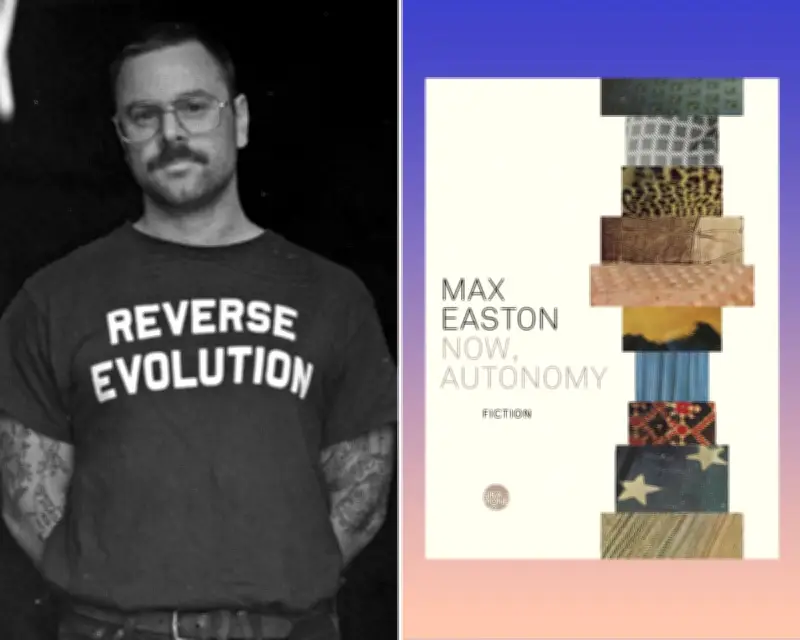
Max Easton's latest novel, Now, Autonomy, is a sardonic yet compassionate take on millennial apathy, chronicling a group of flawed friends in western Sydney as they try to sustain meaning amid what one character calls an "erosion in the world."
A Third Installment in a Western Sydney Saga
Now, Autonomy is the third book in Easton's multi-decade series set in Sydney's west, following the Miles Franklin-longlisted The Magpie Wing (2021) and Paradise Estate (2023). While each title stands alone, together they depict people navigating Australia's class hierarchies, hyper-gentrification, rental housing pressures, and shrinking spaces for community activism.
The story returns to Helen Coleman, now in her late 30s, surrounded by friends including her reclusive flatmate Pat, a middle-aged sound guy haunted by the past; former housemate Sunny, whose restless radicalism is both irksome and imperative; Sunny's partner Sio, the most put-together of the group; and Helen's partner Maria, caring but increasingly despondent in their stagnant relationship.
Disillusionment and the Search for Agency
Each character is variously disillusioned, grappling with financial insecurity, creative inertia, and interpersonal disaffection. Helen senses an "erosion in the world": the ongoing genocide in Gaza, widening economic gulfs, and the commodification of artistic expression even in DIY scenes. There's a collective psychic strain—everyone cares but is exhausted by emotional labor, quick to speculate on others' problems yet avoiding their own.
When not numbed by this "great defeat," the friends try to reclaim autonomy, both personal and collective. Their attempt to set up a music venue called The Quarterly raises questions about whether it's meant to save "Sydney from itself" or themselves from the void. When that ambition is cut short and fragments of Pat's activist history surface, a more radical project emerges—but what truly motivates each person, and does an insignificant attempt at change still matter?
A Compassionate Diagnosis of Apathy
Despite its jaded surface, Now, Autonomy is deeply compassionate, more interested in diagnosing the causes of apathy than deriding it. Easton has said he wants to address millennials who "bemoan the city and cultural milieu we've been handed without realising we're not providing much more to those who come after us." His writing is acerbic and sardonically funny, alive to contemporary strains while giving voice to resistance.
At times, Easton overtly expounds a point, as when Pat describes a condemned building: "Everything is rotting in there. I dunno, I guess everything's rotting now. The only things doing well are the things that feed on rot. Real estate. Banks. Internet." These moments, while flattening the narrative, don't diminish the novel's rich sense of place and nuanced characters.
Overall, Now, Autonomy is a tantalizingly alive addition to Easton's tapestry of western Sydney—an ode to people who reach toward change, even in conceited or delusional ways, as they struggle in a world increasingly resistant to accommodating them. Readers fall effortlessly into their lives and find themselves in them.