Two photographers who have spent over 15 years documenting the Notting Hill Carnival are releasing a book to mark its 60th anniversary. Wayne Campbell and Wayne Crichlow have captured the event's riotous energy, from samba queens to sound systems, and the quiet moments in between.
A New Book Celebrates Six Decades
The book, titled Carnival of Resistance, features a selection of their striking images. Crichlow explains the depth behind the visuals: 'Before I noticed the suit, I noticed the hands. Every ring, every detail, seemed to tell part of a story. Carnival style is never simply about fashion; it's another way people express who they are.'
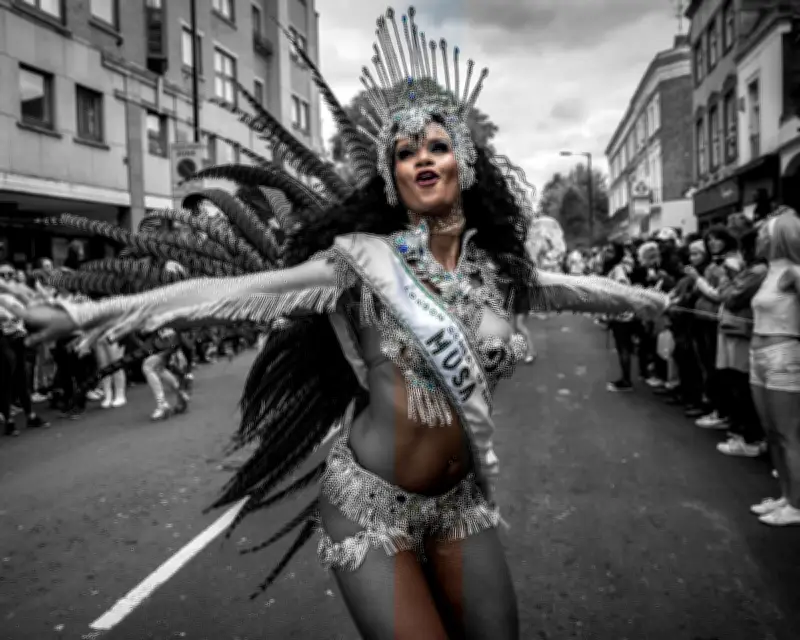
The photographers' work goes beyond the obvious spectacle. Campbell describes capturing a dancer from the London School of Samba: 'She was dancing and flexing – it showed power and it showed beauty.'
Personal Stories on the Streets
Their images often reveal intimate narratives amid the crowds. Crichlow notes, 'Carnival is often photographed as one shared experience, but moments like this remind me that everyone carries their own story through the streets.'
One photo shows a young drummer preparing for Panorama, the steelpan competition. Campbell recalls, 'I was completely in awe of this young man's drumming talent. He had the crowd in his hands with his beats.'
Roots of Resistance
The photographers emphasise the event's deeper meaning. Crichlow says, 'Carnival's roots in resistance, emancipation and cultural identity are never far beneath the surface. Sixty years after taking to the streets of Notting Hill, that spirit continues to unite generations.'
Campbell's striking image 'Blood' from 2025 captures a woman in Jab Jab costume, with blood in her mouth, reminding onlookers of the tradition's symbolism. He notes, 'If you have not been to J'ouvert on an early carnival morning, and are not afraid of getting a bit of paint thrown at you, this is something I would fully recommend.'
The Journey Home
The book also documents the carnival's aftermath. Crichlow describes a train carriage scene: 'This train carriage became an extension of the streets above, where strangers laughed, sang and shared one last moment together.'