By Friday afternoon, the headache and dry eyes have settled in after a long day in front of screens, under white fluorescent lights in an open-plan office. To lift spirits, a weekend at a beachside Airbnb seems appealing.
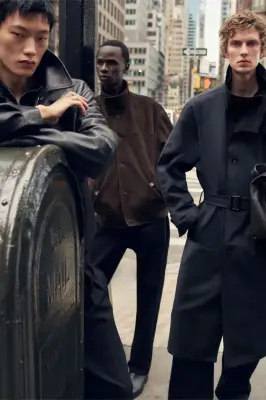
But the town has changed. Farmland has become identical housing estates and shopping centres with the same chain stores. Cars in the car park are mostly white or grey, and people wear near-identical athleisure or shorts and T-shirts.
The Uniformity of Modern Life
The Airbnb matches its pictures – minimalist, grey and white, smelling of surface cleaner – but lacks colour, personality and character. Even the beach is crowded with the same stripy tents, making the visual landscape hectic and disorientating.
At a cafe, old school acquaintances look different, with smooth foreheads and plumped lips. Looking around, everyone wears the same athleisure, stares into the same screens, and drinks the same coffee, pouring it into the same-looking plastic faces.
Beauty as a Necessary Antidote
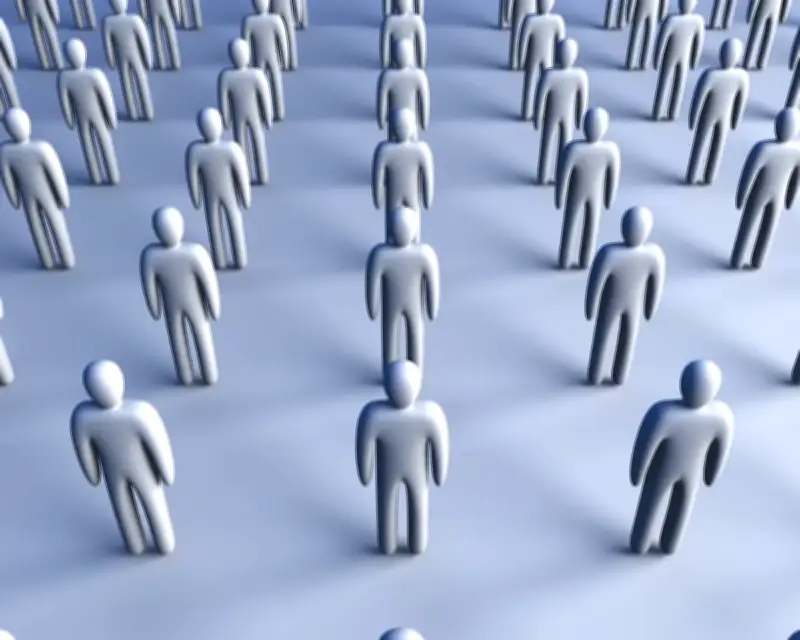
Despite living on a planet covered in flowers, with 8.3 billion unique individuals, modern life is stuck in a sea of sameness. From office design to house interiors – where grey is a top-searched colour, chosen partly for better resale value – life is becoming drabber and more uniform.
There are signs of resistance, with discussions around the need for beauty. The left is reawakening to the idea that fighting for better material conditions includes beauty, which is central to flourishing. This is an ancient ideal, with the Greeks binding beauty, goodness and truth as kalos kagathos, and Socrates describing beauty as drawing the soul towards truth and the divine.
Historical and Modern Struggles for Beauty
Throughout history, beauty has been elevated in times like the Renaissance and suppressed in others, such as the Industrial Revolution's factory districts. Movements like the Arts and Crafts movement in the 1860s aimed to restore dignity through beautiful objects in homes.
Now, originality and beauty are suppressed again, with everything optimised, such as grey homes designed for resale rather than living. The tipping point is the devaluation of human-made art by AI-generated content. The author states, "I can live (I guess … ) with the grey houses and the bland homewares, but not with removing humans from the creation of writing, art and beauty in favour of AI."
The fight for "bread and roses" – meeting basic needs while having access to things that elevate the spirit – has new energy, seen in Zohran Mamdani's New York campaign using the slogan "Roti and Roses," with promises of freezing rents and releasing 70,000 free Metropolitan Opera tickets.
Beauty can be voted for, but it must also be fought for, whether advocating for the natural world or better-planned communities. It is co-created with the world, not by slavishly following trends but by working out what makes you happy. This could mean a maximalist apartment with pink walls, wearing colour when others wear black, nurturing pot plants, or creating your own art instead of using AI.
Beauty made by humans is not just pleasing to the eye and spirit; it is a form of protest against dehumanisation.