Archaeologists Unearth Lost Medieval City of Stolzenberg in Polish Forest
In a groundbreaking discovery, archaeologists have uncovered traces of Stolzenberg, a deserted medieval city, hidden for centuries in a remote forest near the modern settlement of Sławoborze in Poland. This remarkable find sheds new light on Europe's medieval history, revealing a once-thriving urban centre that vanished under mysterious circumstances.
Discovery and Initial Findings
The journey to uncovering Stolzenberg began in 2020 with preliminary metal detector research, which yielded over 400 metal artefacts. These items included intricate belt fittings, decorative coat clasps, and medieval coins, providing the first tangible evidence of the city's existence. The artefacts suggest a prosperous community engaged in trade and daily life during the medieval period.
Advanced Investigations Reveal City Layout
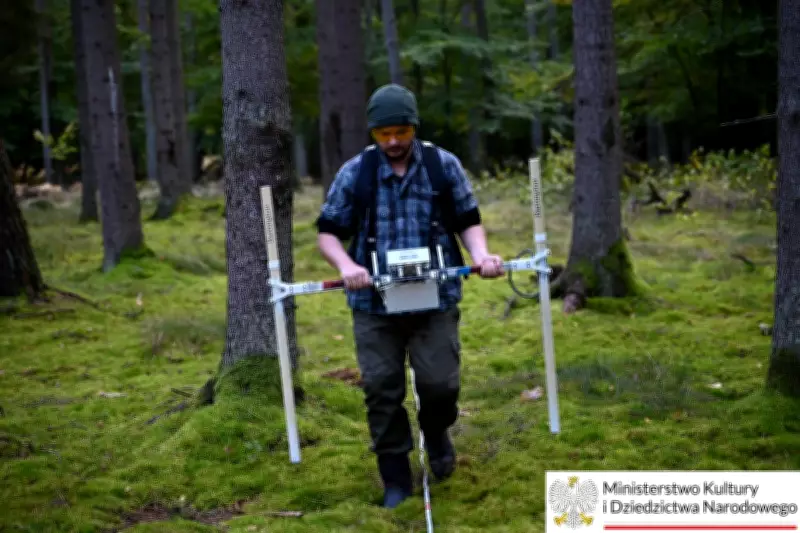
Following the initial discoveries, further investigations were conducted using drilling and geophysical research techniques. These methods revealed a detailed layout of the city, including a central market area and a street that led to what is believed to have been the city gate. Most notably, over 1,500 underground anomalies were detected, strongly indicating the presence of ancient buildings and structures buried beneath the forest floor.

Historical Context and Theories of Abandonment
Stolzenberg is estimated to have been founded in the late 13th or early 14th century, during a time of significant urban expansion in medieval Europe. However, the city was eventually abandoned, with the reasons for its depopulation remaining unknown. The Relicta Foundation, which spearheaded the research, is actively working to clarify both the founding date and the causes of abandonment. Potential factors under consideration include natural disasters, such as floods or plagues, a decline in trade routes, or involvement in regional wars that could have led to its desertion.
Ongoing Research and Future Implications
The discovery of Stolzenberg represents a major milestone in archaeological research, offering a rare glimpse into a lost chapter of European history. The Relicta Foundation continues its efforts to analyse the findings, with the aim of piecing together the city's timeline and understanding the socio-economic factors that contributed to its rise and fall. This research not only enriches our knowledge of medieval Poland but also highlights the importance of preserving such historical sites for future generations.