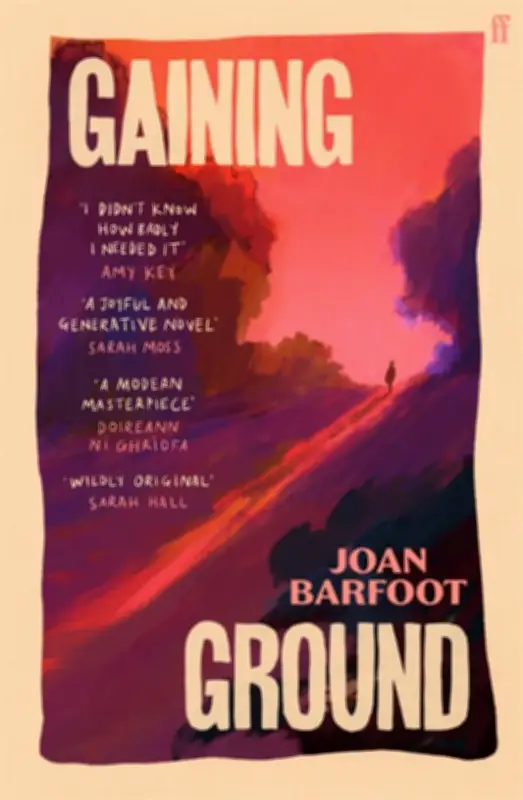
One of this summer's most talked-about books is a feminist cult classic from 1980, rediscovered and reissued this month. Originally published nearly five decades ago, it languished in secondhand bookshops until a marketing manager at Faber stumbled upon it. At a time when online tradwives promote themselves as an antidote to 21st-century burnout, this Walden-meets-The Feminine Mystique tale feels newly relevant and subversive.
The Story of Abra
Gaining Ground is the first novel by Booker-longlisted Canadian author and journalist Joan Barfoot. It follows Abra, a woman who has abandoned her husband and two children in Toronto to live self-sufficiently in a remote cabin. There are no clocks or mirrors; she hacks off her hair and observes bodily changes through her hands and arms. She rises at dawn, eats when hungry, and spends her days gardening, labouring, drawing, and writing. She hibernates in winter, sustained by food grown and preserved in summer. She has electricity, running hot water, and $30,000 to draw on.
After nine years of solitude, her daughter Kate, now 18, appears at the cabin. Memories of stifling motherhood, wifedom, and social expectations resurface, unsettling Abra's peace. The book alternates between cosy descriptions of cabin life and the unsettling tension of Abra's escape from her family. She plans her departure with heart-in-mouth precision, kissing her children goodbye as they leave for school, knowing she will never see them again.
Themes and Reactions
Abra is not necessarily likeable or relatable, but her honesty is admirable. She is wealthy, her husband kind, her children healthy and loving—yet she is willing to destroy that life for truth. Some passages are vague and repetitive, but piercing scenes stand out. She saves a dying squirrel, mends its broken leg, and then forces herself to release it, saying, "It was not right, twisting the nature of something, making it less free… It is necessary to let things be." Similarly, when her daughter shows talent for dancing, she and Stephen pay for lessons but see her joy fade as movements become stylised. "We saw her enjoyment fading, her movements becoming more stylised and conscious, and knew we were ruining it for her," they observe.
In an era of abundant motherhood versus freedom literature, Gaining Ground's feminist reputation will grow, but its core concerns—living with integrity, the ambivalence of freedom, and the responsibility it demands—are universal.
Gaining Ground by Joan Barfoot is out now (Faber, £9.99)