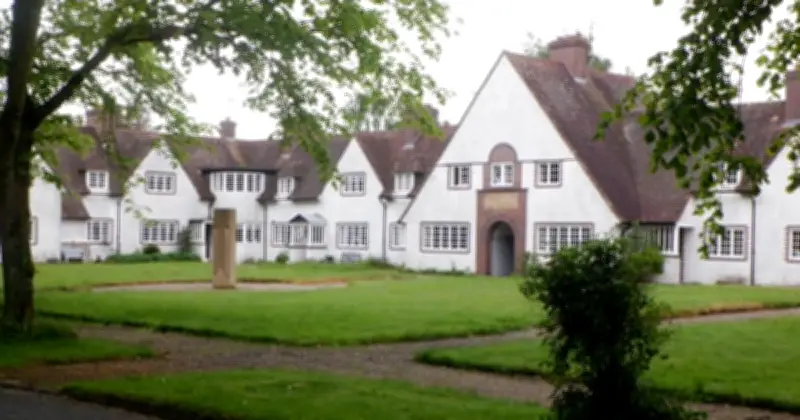
Britain is covered in tiny, pretty villages, each with its own fascinating and rich histories. Some have never been that important in the grand scheme of things, while others used to be major trade and administrative hubs.
In Scotland, there is a place that was especially significant in that it used to be the country's royal capital. Forteviot in Perthshire was the centre of the Pictish Kingdom of Fortriu and the early Kingdom of Alba - the Kingdom of Scotland between the deaths of Donald II in 900 and Alexander III in 1286.
The University of Glasgow calls the village the "Cradle of Scotland", adding that monarchs were attracted to it due to its fertile land and sacred landscape, which "expressed ancestral and territorial power".
A disputed first capital
In 1868, The National Gazetteer of Great Britain and Ireland stated that Forteviot "disputes with Abernethy the honour of having been the first capital of the Pictish kingdom". The Pictish Chronicle, meanwhile, records that Abernethy was established as a primary religious and royal site during the reign of King Nechtan Morbet, who ruled between 456 and 480 CE.
Rise to prominence
Forteviot rose to prominence during the 8th and 9th centuries, a crucial period when the Pictish and Gaelic realms were merging into the Kingdom of Alba. It became a major royal fortress and palace under rulers such as Óengus II and served as the central royal estate for Kenneth MacAlpin.
The University of Glasgow adds: "The Chronicle of the Kings of Alba reports that Cináed died in 858 AD in palacio Fothuir-tabaicht, 'in the palace of Forteviot'."
Archaeological evidence
The university notes that the concentration at Forteviot of high-quality monumental sculpture, some of it linked to King Constantine (who died in 820 AD), points to the presence of an important church (a monastery?) within the palace complex. Even in its fragmentary condition, the sculpture reveals wealthy patronage and a rich intellectual tradition.
The precise location of the palace is unknown, but excavation has revealed an extensive Pictish cemetery, including large-scale square barrows.
Royal visitors today
Forteviot has also played host to modern royalty. In 2024, Prince William and Princess Catherine attended the Forteviot village fete, taking in its stalls and meeting local residents.