In 2009, a 16-year-old Uyghur boy in Kumul, Xinjiang, stumbled upon a banned novel that would change his life forever. The book, Leyighan Bulaq (The Muddy Spring) by Jalalidin Băhram, sparked a secret romance with his classmate Rabia, leading to a marriage that has endured exile and profound loss.
The Discovery
During a visit to a distant relative's house, the teenager asked to explore the host's study. There, hidden in a corner, he found a seven-volume Uyghur novel. The host warned him: "It's a well-written book about the brutalities of the Cultural Revolution. It's banned by the government. Don't show it to anyone, don't take it to school, and return it when you're done."
Despite the warning, the boy devoured the first volume that night, becoming obsessed with its characters—teachers in rural Xinjiang who endured forced labour and political indoctrination. The story centred on three young couples and themes of friendship, love, and resilience.
A Secret Romance
Unable to keep the novel to himself, he smuggled it into school and slipped it into the bag of Rabia, his closest academic rival and secret friend. They had exchanged handwritten notes about books, their only way of communicating in a conservative town where friendships between boys and girls were frowned upon.
This time, something shifted. Through their notes, they discussed the book's characters and events, blending their own feelings into the discussions. One day, citing the novel's main characters, he wrote: "I think I have feelings for you, just as Hikmet had for Gulziba." With that sentence, their love story began.
Obstacles and Reunion
A year later, he left to study abroad. Their relationship survived through phone calls and online messages, but reuniting was difficult. Rabia needed a passport, which was nearly impossible as Xinjiang authorities tightly control passports for Uyghurs. After being denied a university entrance exam because she wore a headscarf, she moved to Beijing for a language course—a move that allowed her to bypass strict passport controls.
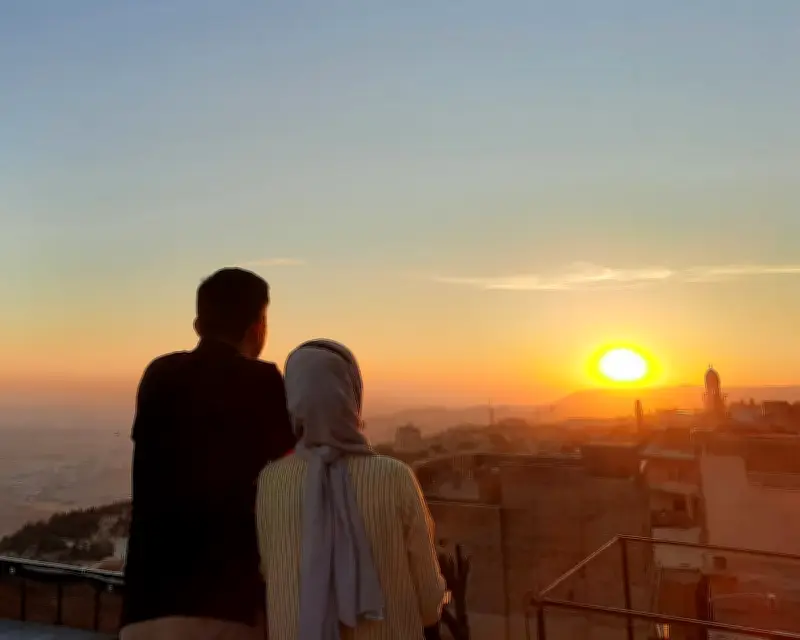
In 2014, she finally reached Istanbul, where he was studying. They married in 2020, but many loved ones could not attend, including Rabia's parents and siblings, and his father. The couple was forced into exile as horrible things happened back home, including the arbitrary detention of hundreds of thousands of Uyghurs, including his father.
Tragedy and Resilience
Because the Chinese government punishes Uyghurs for contacting others abroad, the couple could not share important milestones with loved ones. When their two-year-old daughter died in November 2023 due to an incurable illness, they buried her in Istanbul.
In late 2024, they moved to London and opened a new chapter. While unpacking, they found their old school notebooks—over a dozen of them—and read the secret letters they had exchanged more than a decade earlier. They realised that, like the plot of Leyighan Bulaq, their lives have been full of tragedy but also friendship, love, and resilience. They celebrate the love story they created, all thanks to a forbidden book.