An exhibition at the National Museum of American History in Washington DC is offering an intimate portrait of Filipino American life through the contents of 26 steamer trunks discovered in 2005. Titled “How Can You Forget Me: Filipino American Stories,” the show takes its name from a white pillowcase embroidered with those words in red thread, found among the belongings of migrants who arrived in the United States as early as the 1910s.
The trunks were uncovered by Antonio Somera in the basement of a building in Stockton, California. They had belonged to members of the so-called Manong Generation – early Filipino labourers who settled in California and Hawaii, leaving families and hometowns to work in agricultural fields. Curator Sam Vong said the aim is to present the migrants as people in all their complexity rather than merely economic subjects.
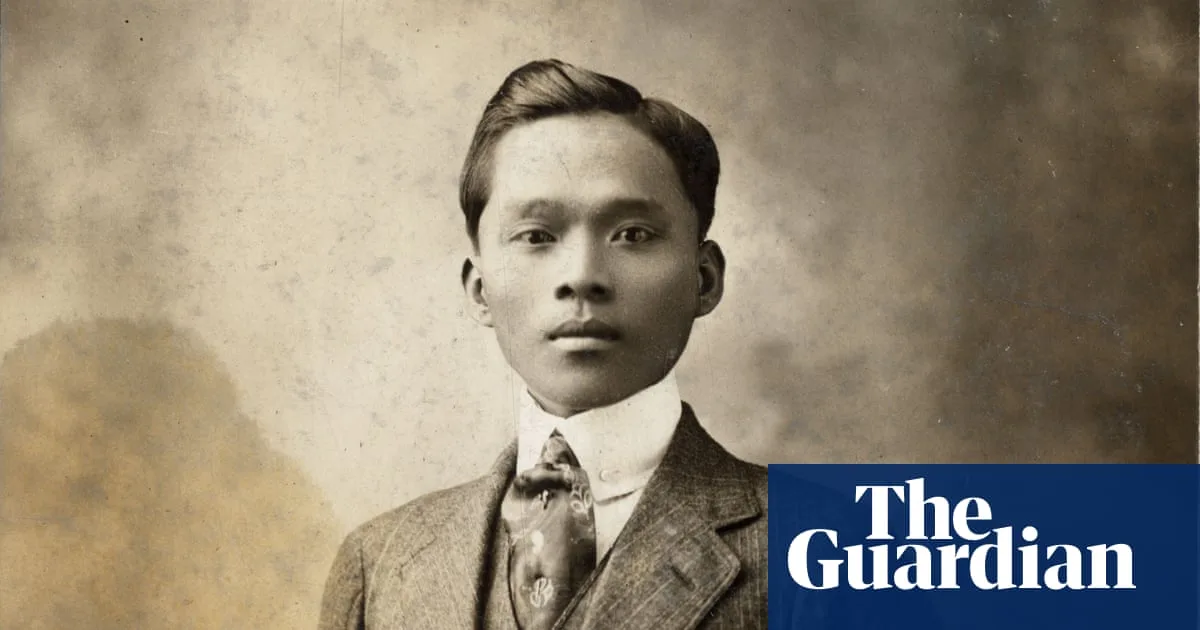
The exhibition traces the settlement of these migrants through a “literal and metaphorical unpacking” of the trunks, as Vong put it. Alongside tools and documents are three-piece suits and Stetson hats, which Vong says reveal the men’s understanding of presentation. “They saved their money in order to look respectable in a time where they’re seen as people who were just made to farm,” he explained.
Visitors also learn about the racial exclusions these men faced, including anti-miscegenation laws and the California Alien Land Law of 1913. Stylised studio photographs, sent home as postcards, show them posing in suits, sometimes with cigarettes, emulating movie stars. The exhibition also includes a beauty pageant dress used for fundraising, highlighting the crucial role women played in supporting the community.
The show, presented by the Smithsonian Asian Pacific American Center, frames Stockton as a vibrant hub for future generations of Filipino Americans. Vong said the migrants’ careful self-fashioning was a way to engage with American culture and mass consumerism. The exhibition is on view now at the National Museum of American History.