Fab 5 Freddy's Memoir Chronicles New York's Underground Art and Music Scene
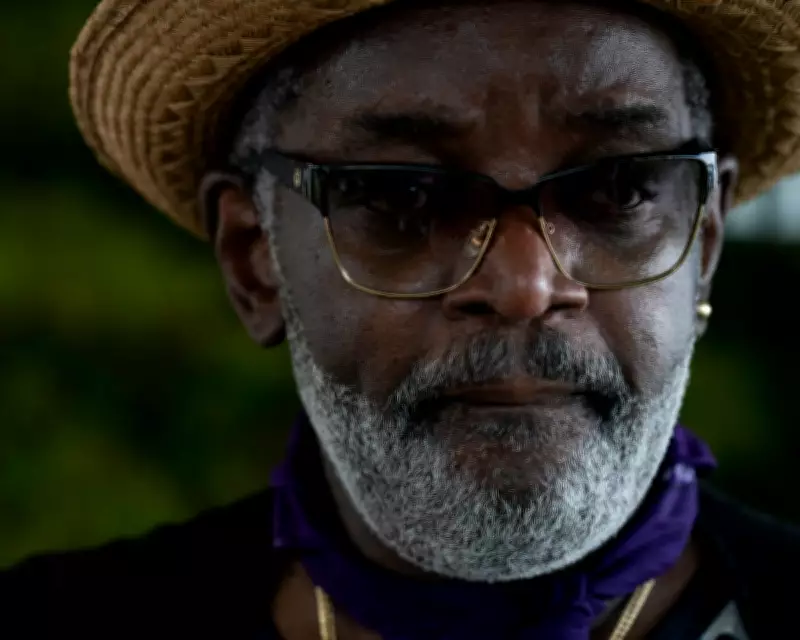
In this week's newsletter, a new memoir by Fred Brathwaite, better known as Fab 5 Freddy, provides a vivid insight into the emerging underground scene of New York City during the 1970s and 1980s. The book, titled Everybody's Fly: A Life of Art, Music, and Changing the Culture, serves as a powerful reminder of the impact subcultures can have during challenging times.
The Legacy of Street Art in Modern Fashion
As the sun begins to shine, it's not uncommon to spot Jean-Michel Basquiat T-shirts on passersby in trendy London boroughs. This trend reflects the widespread licensing of the New York artist's name and works to fashion brands ranging from Next and Primark to Supreme and Saint Laurent. Basquiat, who tragically died at 27 from a drug overdose, famously critiqued consumerism with his signature slogan SAMO©, which stands for "Same Old Crap." It's ironic that his name now adorns keyrings, tote bags, and clothing items, a commercialization he might have disapproved of. Similarly, Keith Haring's art has become a staple on T-shirts across the nation.
While some purists lament this commodification, there is hope that such merchandise can introduce new audiences to the artists' works and to graffiti as a legitimate art form. The phenomenon mirrors the widespread wearing of Ramones T-shirts by millions who may not know a single song, yet the band itself was indifferent to such matters.

Fab 5 Freddy's Role in Cultural History
For fans of Blondie, the name Fab 5 Freddy will ring a bell from the seminal hit Rapture, where Debbie Harry raps, "Fab 5 Freddy told me everybody's fly." Brathwaite's memoir traces his journey from a smart, plucky kid in Brooklyn's Bed-Stuy neighborhood to becoming a pivotal figure connecting the emerging Black art forms of hip-hop and graffiti with the predominantly white downtown art-world scene. The book features appearances by iconic figures such as Jean-Michel Basquiat, Keith Haring, Blondie, Andy Warhol, and even the Clash, earning praise as an "all-access pass" to New York's creative zenith.
The narrative is a rollicking tale, told with the wide-eyed wonder of a young man discovering new worlds. Brathwaite recounts visiting the legendary punk venue CBGB, where he felt like a "Black secret agent on a mission" amid a blindingly white crowd, yet found common ground in the graffiti-covered bathrooms. He also describes transformative experiences at the gay club Paradise Garage, where he encountered dance music godfather Larry Levan and experimented with substances like mescaline and MDMA, reflecting the era's hedonistic spirit.
Reflections on a Bygone Era
Reading Everybody's Fly in the present day evokes a bittersweet nostalgia. Brathwaite's story is intertwined with the history of New York and other cities before they became spaces dominated by consumption. It was a time when subcultures thrived in physical spaces rather than online aesthetics, and before the professionalization of creative fields. Fab 5 Freddy himself got his break by asking to be a cameraman on a TV show despite having no prior experience.
This New York was far from perfect, grappling with severe economic struggles, as journalist Glenn O'Brien notes in the book: "New York was broke." Yet, from these ashes, something magnificent grew. For Fab 5 Freddy, rap and punk symbolized "urban youth going against the grain, inventing their own culture, creating their own fun, responding to the world as it was" – a sentiment captured in the phrase "both so wrong, they were right."
In essence, Brathwaite's memoir underscores that everybody's fly, even if you can't name a Ramones song. It offers comfort in times of economic hardship, reminding us that creativity can flourish from adversity, much like the underground scenes of 1970s and 80s New York.