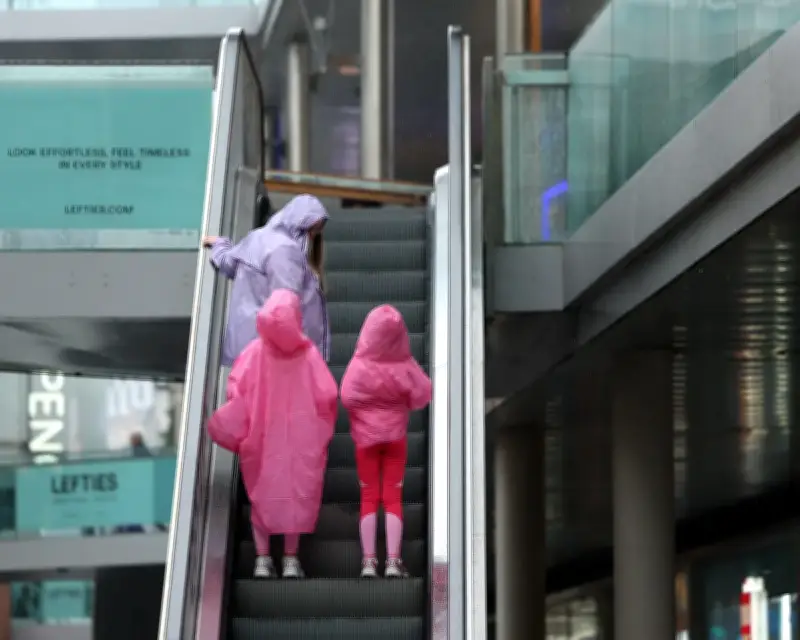
The close of summer carries a particular melancholy, a feeling that seems to touch nearly everyone as the season's warmth and freedom give way to the structures of autumn. This annual transition brings with it a sense of loss that is both personal and collective, as long, light-filled days are replaced by shorter ones and the return to work or school.
This year, the feeling appears especially pronounced. The article reflects on how the end of August signals not just a change in weather, but a shift in mood and expectation. There is a cultural weight to this moment, a shared recognition that the carefree rhythm of summer cannot be sustained, and that its conclusion forces a reckoning with time and its passage.
The Sorrow of Seasonal Change
The sadness is not simply about colder temperatures or grey skies. It is tied to the end of a period marked by holidays, leisure, and a different kind of social life. The article notes that this particular end-of-summer feeling is often accompanied by a sense of having not done enough, of days that slipped away without being fully used.

This reflective sorrow is a familiar theme in literature and culture, but it is also a lived experience for many. The return to routine can feel like a comedown, a re-entry into responsibilities that had been temporarily set aside.
Looking Ahead to Autumn
Yet the article also suggests that this melancholy is not without its counterpart. The end of summer is also a beginning, a time for new projects and fresh starts. The changing season brings its own pleasures, from crisp air to the comforts of home and routine.
The feeling, while real, is part of a natural cycle. Acknowledging the sadness of summer's end is perhaps the first step toward embracing what autumn has to offer, even as the memory of long, warm days lingers.