For some historic buildings, being repurposed and reimagined as a different venue has been one way to safeguard them for future generations. Whether you are a fan or not, Wetherspoons have made saving iconic venues and turning them into pubs part of their business. While the chain is best known for affordable drinks, food, and lairy carpets, it also boasts some distinctive locations.
Throughout Manchester, JD Wetherspoon has transformed numerous properties, including The Paramount, a former picture house on Oxford Street, and The Sedge Lynn, a former billiard hall in Chorlton. Yet one landmark building, once expected to join the Wetherspoon estate, was ultimately reduced to rubble.
A Century of Cinema
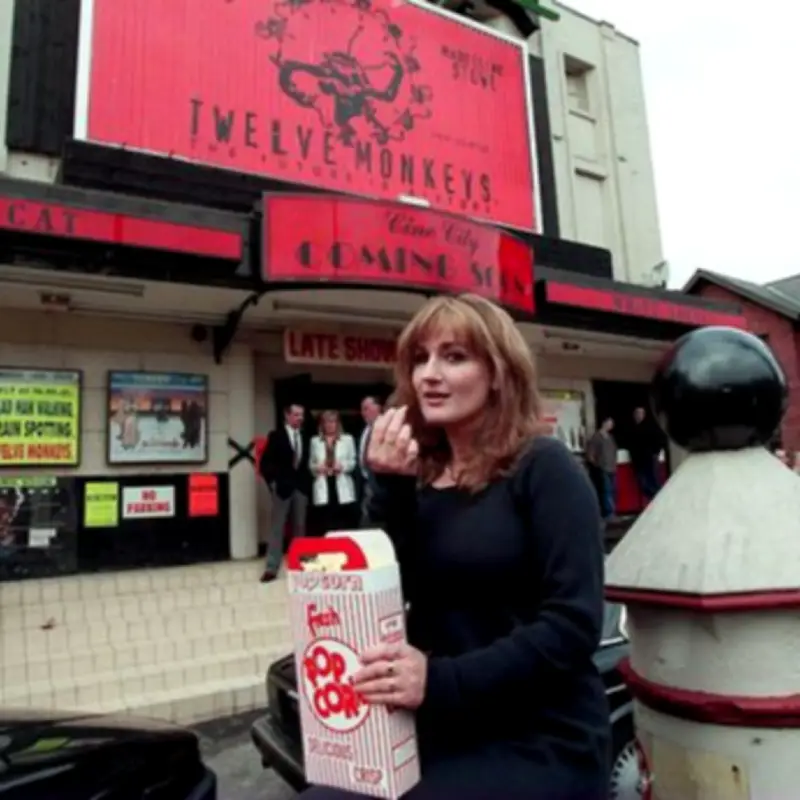
Entertaining South Manchester for over 90 years, Cine City in Withington stood as one of the city's finest cinema buildings and was once considered among Manchester's most iconic structures. Notably, it was home to the third cinema to open in Britain. The cinema, formally known as The Scala, opened its doors in 1912 during the silent cinema era, before the advent of the "talkies" in the late 1920s. When the popularity of 'picture houses' boomed in the 1930s, it was one of 109 cinemas in Manchester at its peak.
Actor Robert Donat, star of the classic Alfred Hitchcock film, The 39 Steps, wrote in his autobiography that he got his first taste for acting when he used to visit The Scala as a child. And famous Manchester novelist Howard Spring is said to have once described it as "the most comfortable cinema in the country."
War and Decline
During the Manchester Blitz in World War Two, The Scala narrowly escaped ruin when a German bomb landed on Wilmslow Road right in front of the building on October 1, 1940. As family homes acquired their own television sets after the war, the popularity of cinemas began to decline. In the 1970s, The Scala was bought by Geoff Henshaw who renamed it Cine City and divided its previous single screen auditorium into three separate screens. To celebrate 100 years of cinema, the late comedian and writer Caroline Aherne unveiled a plaque at Cine City, Manchester's oldest cinema, in May 1996.
The plaque was in recognition of two of the cinema's historic personalities. Violet Carson, best remembered for her role as Coronation Street's feisty Ena Sharples, and Halle orchestra conductor Sir John Barbirolli, who both accompanied silent films on the cinema's piano back in the 1920s.
Campaigns and Demolition
Following the death of its owner, Geoff Henshaw, in 1997 the cinema was threatened with closure. It was reported that before his death, Mr Henshaw had been paying staff out of his own pocket to keep the ailing cinema alive. It was rescued by Manchester computer consultant, David Babsky, whose firm Paradise Leisure, paid around £200,000 for the building. The film fan and entrepreneur told the Manchester Metro News: "It's not simply a commercial proposition. I'm enthralled by cinema and think there's still a place for smaller independents, despite the rise of the multiplexes."
Refurbished and under new ownership, Cine City survived for a few more years before eventually closing its doors for good in 2001. The Fast Show and Cold Feet star John Thomson swore to save the old cinema, single-handedly launching a campaign to stop it turning into a pub. He said it would be a 'tragedy' if the building became a pub, adding: "It's the third oldest cinema in Britain and I'd just die if it went. My mum and dad courted there and saw The Graduate when it first came out."
"I've got fond memories of visiting, like as a student going to see Kindergarten Cop. The film was rubbish but I remember turning to my mate and he'd disappeared, just gone. Turns out his seat had collapsed. From the outside it may not look like much, but inside it's got the old double [love] seats and original fittings. It's my worst fear that it'll be turned into a theme bar and it's my second worse fear that it'll become a bingo hall. I just need help from people to save it."
After the empty building was purchased by property group Develop UK, the Salford actor's worst fears were in danger of being realised after a number of attempts were made to turn the building into a Wetherspoons pub. However, the council twice rejected the planning application and subsequent appeal, due to a moratorium on granting new food and drink licences in Withington. The building changed hands several times again. It was bought by Arrows International in 2002 before being sold and purchased the following year by Britannia Property Group.
In 2005 the former cinema building still lay empty and abandoned. By this time in a sorry state of repair, it still retained an air of faded grandeur, with many original features still intact like gold brocade seats, wall freezes, cornices and ceiling roses.
The End of an Era
In 2008 it was announced that the fight to save the building was over and it was to be demolished. Roger Smith, chairman of Withington Civic Society, said: "It's a shame it's going, as it was one of the oldest operating cinemas in Britain and a feature of Withington. It wasn't actually condemned by the dangerous buildings inspector, but it is falling down so it might be better to have something new in the area."
The building, once considered among the most iconic in Manchester, was demolished later in the same year. A pair of stone piers in the forecourt of the building, which were Grade II listed in 1998, are the only parts of the original building that still remain. In 2018, 10 years after the demolition of the old cinema building, a block of flats called the Scala Apartments - named after the original picture house - was completed and now stands in its place.