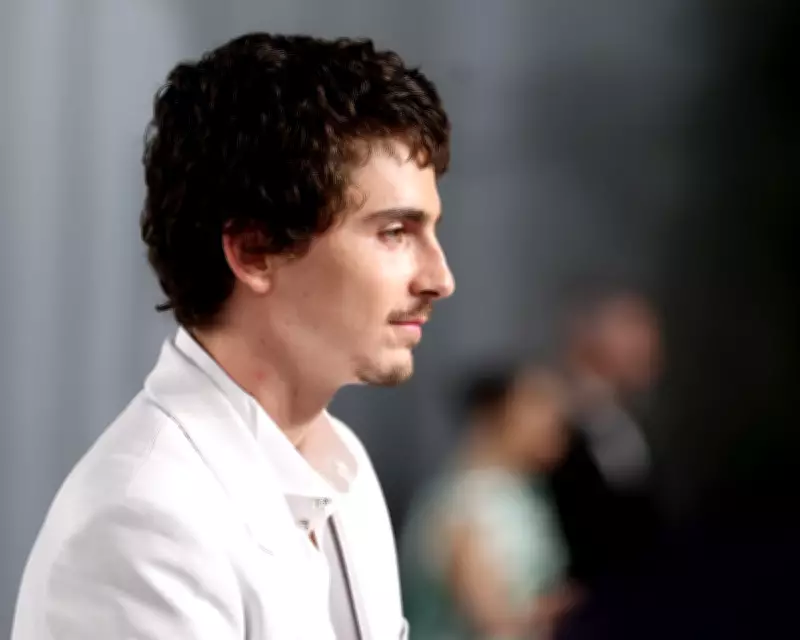
Timothée Chalamet's Opera Comments Spark Debate on Art's Enduring Value
In a recent interview, actor Timothée Chalamet questioned the relevance of opera and ballet, suggesting they are art forms that few care about today. His remarks have ignited a passionate discussion within the arts community, with many defending the timeless significance and vitality of these disciplines.
The Resilience of Opera and Ballet
Opera and ballet have weathered centuries of cultural shifts, wars, and revolutions, not as outdated relics but as living art forms that demand immense physical and emotional dedication. Opera singers train for decades to project their voices over orchestras in historic theatres, while ballet dancers push human anatomy to its limits, embodying music through movement.
These arts thrive through collaboration among orchestras, conductors, composers, choreographers, designers, and technicians, creating ephemeral moments that move audiences to tears without reliance on modern technology like CGI or editing.

Industry Responses to Chalamet's Critique
Rebecca Humphries, an opera singer, argues that finger-wagging at critics like Chalamet is ineffective. Instead, she advocates for audacity and accessibility to attract new audiences. This approach is echoed by Michael Wilkinson, Director of Strategy at Opera North, who reports growing and younger audiences, with the company expanding productions and forecasting record revenue.
Opera North recently welcomed over 1,200 first-time opera-goers, many young and working-class, through a "pay what you can" performance of La Bohème, demonstrating the art form's ongoing appeal.
The Role of Arts Education
Dr. Alexis Bennett from Goldsmiths, University of London, emphasizes that education is crucial for sustaining opera and ballet. School music and dance departments often struggle with funding and resources, leading to neglect that impacts higher education and professional development.
Politicians who dismiss arts degrees may overlook how arts education underpins creative industries, including television and film. Healthy opera and ballet companies reflect a culture that values arts in schools, fostering lifelong engagement and careers.
Conclusion: Art Beyond Trends
Chalamet's comments, while stinging, highlight a broader misconception that art must be trendy to matter. Opera and ballet remain among humanity's most complex and beautiful achievements, evolving to meet new generations. The debate underscores the need for continued support, innovation, and education to ensure these art forms endure for centuries to come.