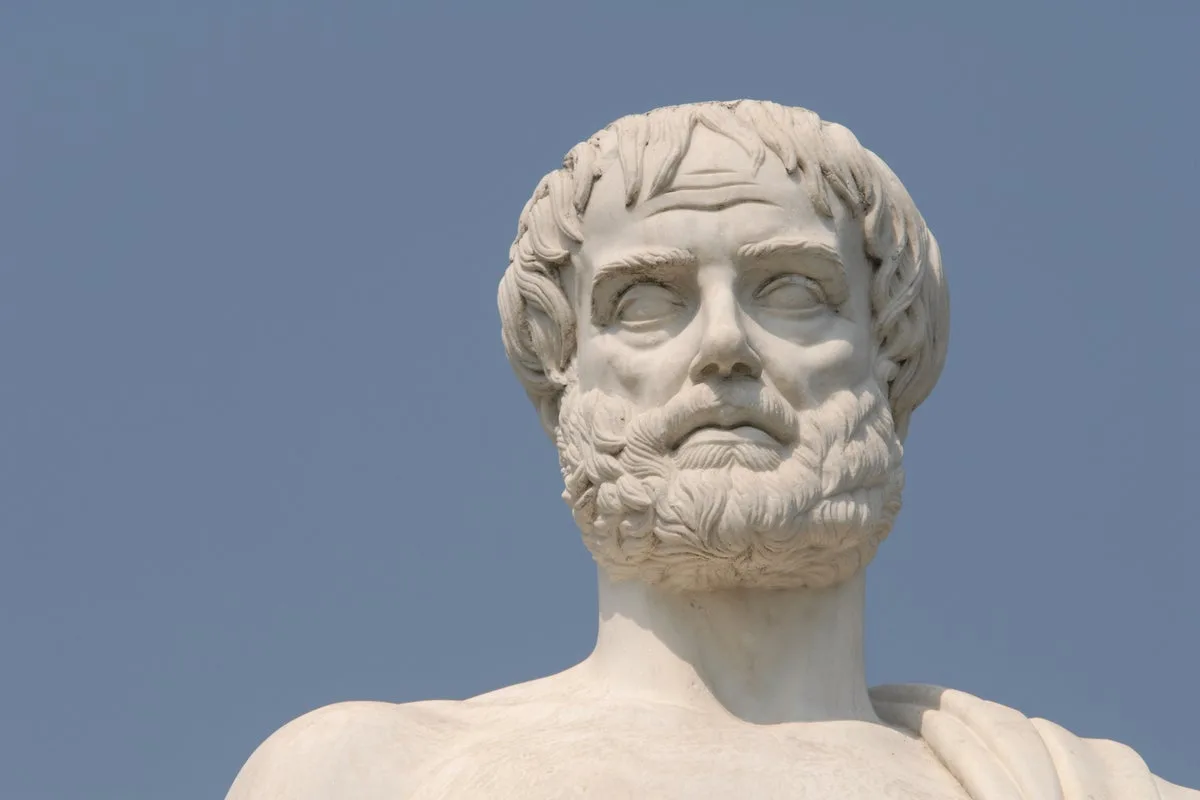
Valentine's Day is typically associated with grand gestures and expensive gifts, but the ancient Greek philosopher Aristotle (384-322BC) offered a different perspective. According to his writings in the Nicomachean Ethics, true love is not about intense passion or one-day displays, but a steady commitment to help a beloved grow into their best self through everyday acts of care.
Aristotle believed that humans are social and pairing creatures, and that learning to love oneself is fundamental. He argued that loving another means extending self-love, which involves five components: desiring and promoting the beloved's good, ensuring their safety, enjoying their company, rational desires for a virtuous life, and sharing pains and pleasures as one's own.
For Aristotle, the sense that a lover is 'mine' signifies belonging together in a shared life, not ownership. Lovers are like friends who are each other's other halves, caring as much for each other's feelings and needs as their own. Love is not a passive feeling but a practice requiring skill – a lover strives for constant self-improvement for the sake of the beloved.
Gifts and gestures are nice, but Aristotle's philosophy suggests that the real proof of love is nothing that can be bought. Quoting him, 'one swallow does not make spring' – nor does one magical night truly demonstrate love. Instead, loving another as much and as well as oneself is the genuine evidence, taking time and daily practice.